
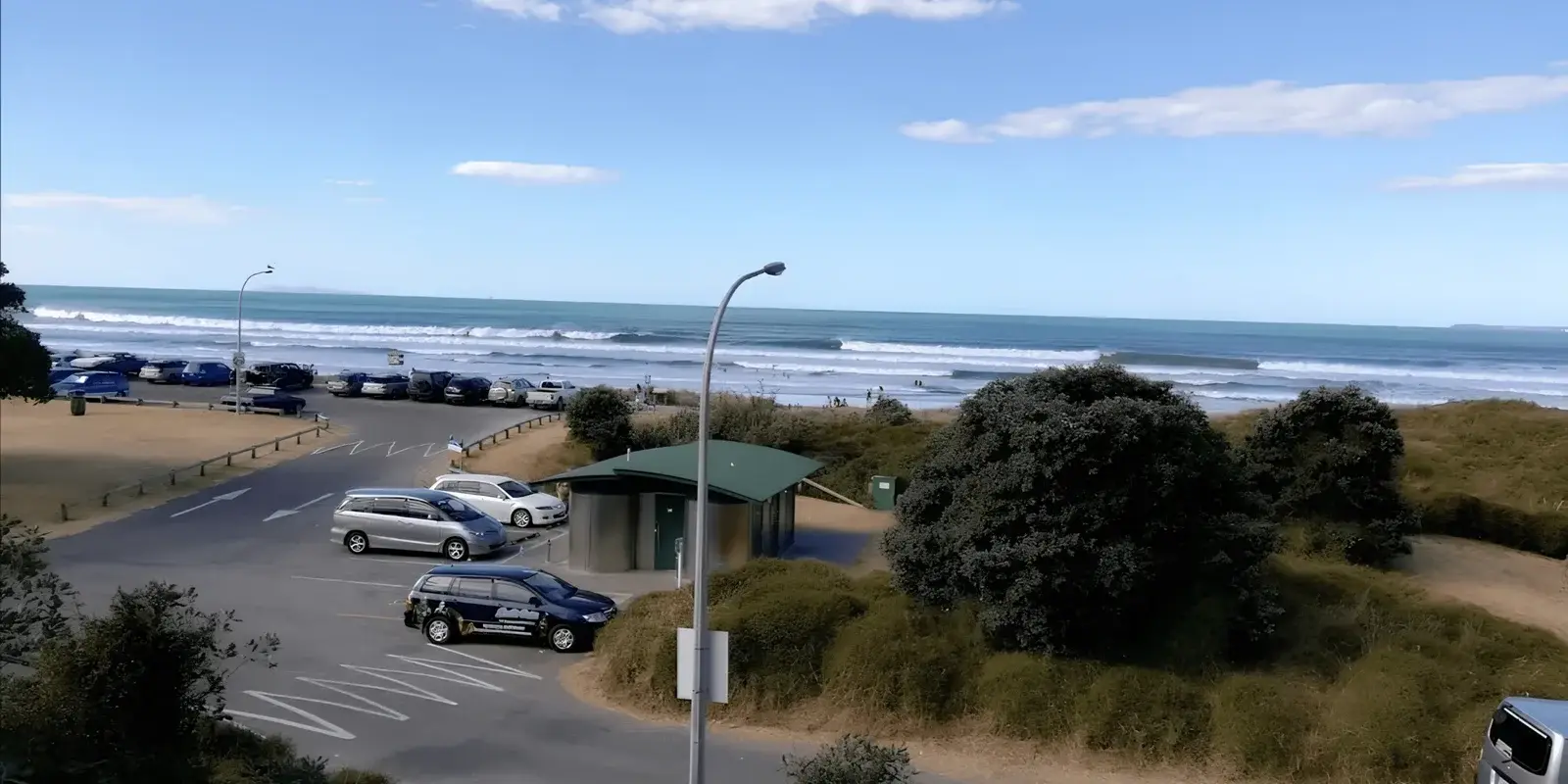
Lawn Weed Control & Fertilisation in Pāpāmoa
Lawn weed control and fertilisation for Pāpāmoa, from Palm Beach and Golden Sands to the newer subdivisions of Pāpāmoa East. Dune sand drains fast and holds little nutrient, so we split the year’s feed into several smaller doses the roots can actually use.
From $85per treatment
Set before the first treatment goes down, then held.
- Four to six lighter treatments a year
- Products chosen for your grass type
- Booked alongside your mowing
- Stop or pause whenever you like
Pāpāmoa lawn feed quote
Tell us what the lawn is doing, in your own words.
How weed control works on Pāpāmoa sand
Left: what holds for any lawn. Right: what this coast’s ground changes.
Thick turf crowds weeds out
Weeds need gaps to germinate. A dense sward gives them none, which is why most weed trouble is really a thin-lawn problem and why feeding matters more than spraying over a full season.
Sand needs more frequent feeds
Free-draining sand keeps hold of very little, so one heavy dose slips past the roots long before the grass can use it. Several lighter treatments, for much the same outlay, actually get taken up.
Broadleaf weeds, grass untouched
Selective products target clover, dandelion and plantain while sparing the lawn. Timed for the right season, one pass does most of the work.
Not every product suits coastal grass
The warm-season grasses common on Pāpāmoa sections react badly to some shelf weedkillers, and the label doesn’t always make that clear. We match the product to your grass before anything is applied, and granular formats are the safer choice.
When matters more than how much
Feed spread while the grass is growing gets used. Feed put down during a cold snap or a heatwave mostly goes to waste.
Growth barely pauses here
With frosts rare on the coast, grass keeps growing into winter, so the feeding window is longer than inland — but summer doses are kept small, since heat-stressed turf on sand burns quickly.
Microbes do the real work
Soil organisms unlock nutrient from fertiliser for the grass. Lifeless ground wastes most of what lands on it.
Sand begins with very little
That’s why we lean towards products that feed the soil as well as greening the leaf, and why clippings mulched back in are organic matter you’d otherwise pay for.
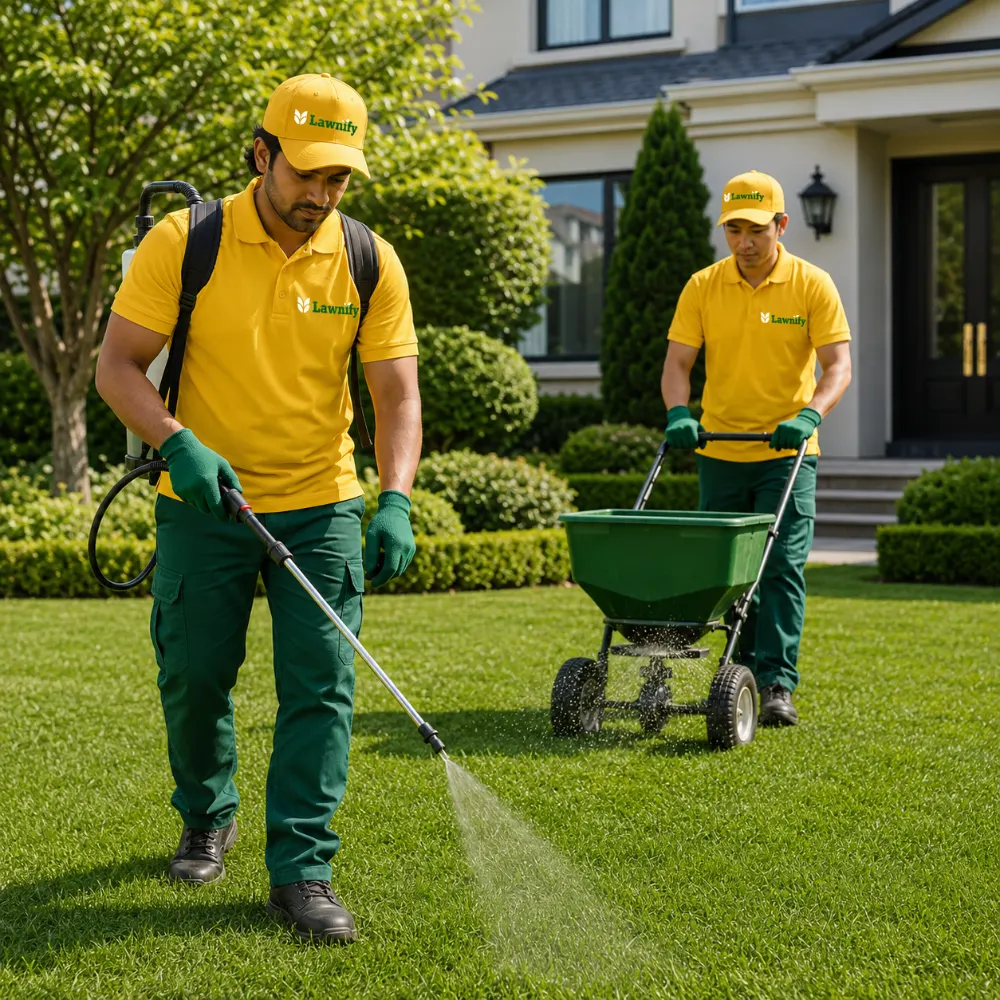
- A look at the lawn before anything is applied
- Broadleaf weeds treated with a grass-safe product
- Feed chosen for the season, not a fixed recipe
- Even spreading, with no stripes or scorch marks
- A stay-off time for kids and pets
- A photo and a note of what was used
It can run alongside your mowing round, so it’s the same crew and one invoice rather than another contractor to chase.
Pāpāmoa weed control done well and done badly
A lot of the damage we’re asked to repair on Pāpāmoa lawns started with a bag from the hardware store.
What a Pāpāmoa weed control visit involves
You don’t need to be home, and the stay-off time is sent to you.
-
Inspect first
Which weeds, how thin, how the soil feels. The product suits the lawn, not a calendar.
-
Treat the weeds
A grass-safe selective, spot-sprayed or broadcast over everything, whichever the weed cover calls for.
-
Feed
Chosen for the season and spread at a measured rate.
-
Water it in
No sprinklers? We water it in ourselves so the granules don’t linger on the blades.
-
Send the stay-off time
How long to keep children and pets off, with a photo of the finished job.
Where a single heavy feed ends up in Pāpāmoa
If you take one thing away about feeding a lawn on this coast, make it this.
What weed control costs in Pāpāmoa
Priced per treatment or as a year’s programme, and fixed once we’ve seen the lawn.
A whole year of visits is priced as a single plan before you commit, so there are no surprises later. Larger sections are priced after a look.
Get a fixed figureWe’ll be straight with you: if a lawn is thin because it’s compacted or matted with thatch, feeding won’t fix it, and we’ll tell you so. On a thatchy lawn dethatching in Pāpāmoa comes first, and then the feed is worth paying for.
The Pāpāmoa weed control and feeding year
The feeding calendar here runs longer than it does inland.
Autumn and spring carry the programme. Over summer the doses are cut right back to avoid burning, and June and July are a break — but the grass keeps ticking over, so a late-winter feed in August is worthwhile.
If your lawn needs dethatching or aerating before it can use a feed, we’ll tell you and book that first — even though a feeding programme is the bigger job on paper. We won’t sell treatments to a lawn that can’t take them up.
Pāpāmoa weed control questions
What owners ask before they put the lawn on a programme.
Why does my Pāpāmoa lawn stay pale even with weed control and feeding?
Usually because it’s getting a heavy feed now and then, on ground that can’t hold it. Pāpāmoa sits on free-draining dune sand that can’t hang on to much nutrient, so a big application washes below the roots before the grass can use much of it. The same amount of product split into four to six lighter treatments costs about the same and actually ends up in the lawn.
Is hardware-store weed and feed safe for weed control on a Pāpāmoa lawn?
Read the label closely before you use it. Coastal warm-season grasses can be harmed by a few common selectives, and certain hose-on mixes carry a scorch risk on them that isn’t obvious from the front of the pack. Granular products are generally the safer format, and we check what grass you have before choosing anything.
How long should we stay off the lawn after weed control in Pāpāmoa?
It varies by product, and you’ll get the exact time from us in writing. As a rule it’s until the treatment has been watered in and the leaf has dried, which on a warm Pāpāmoa day doesn’t take long. If you have young children or a dog, we plan the visit around them and won’t use anything with a long stay-off period without asking first.
Will feeding alone sort out weed control on my Pāpāmoa lawn?
Over a season it does much of the work, which surprises people. Most weed trouble comes down to a thin lawn: dense turf leaves weeds nowhere to establish, so feeding achieves more in the long run than repeated spraying. We deal with the weeds already there, then build density so they don’t return.
How often does a Pāpāmoa lawn need weed control and fertilisation?
Four to six treatments across the year, which is more often than an inland lawn but with each one lighter. Autumn and spring do most of the work. Summer visits use a gentler rate, and June and July are mostly left alone.
Should a spongy Pāpāmoa lawn get dethatching before weed control?
Yes. If the lawn feels springy underfoot a layer of dead stem is sitting under the leaf, and anything spread on top gets stuck in it. Dethatch first, then feed. We’ll tell you which order your lawn needs rather than selling you the visit you rang about.
What products do you use for weed control in Pāpāmoa?
Registered products applied at label rates, and we tell you exactly what went down and how long to keep off. If you’d prefer organic or lower-toxicity options only, just say; on a lawn that children use every day that’s a fair ask, and we adjust the plan around it.
What does weed control and fertilisation cost in Pāpāmoa?
From $85 a treatment, confirmed before we start. If you go for the full programme, the year is priced as one plan so the total is known in advance. Lawn size, current weed cover and whether we need to water in are what change it.
Services that work alongside Pāpāmoa weed control
Each of these helps a feeding programme do its job.
