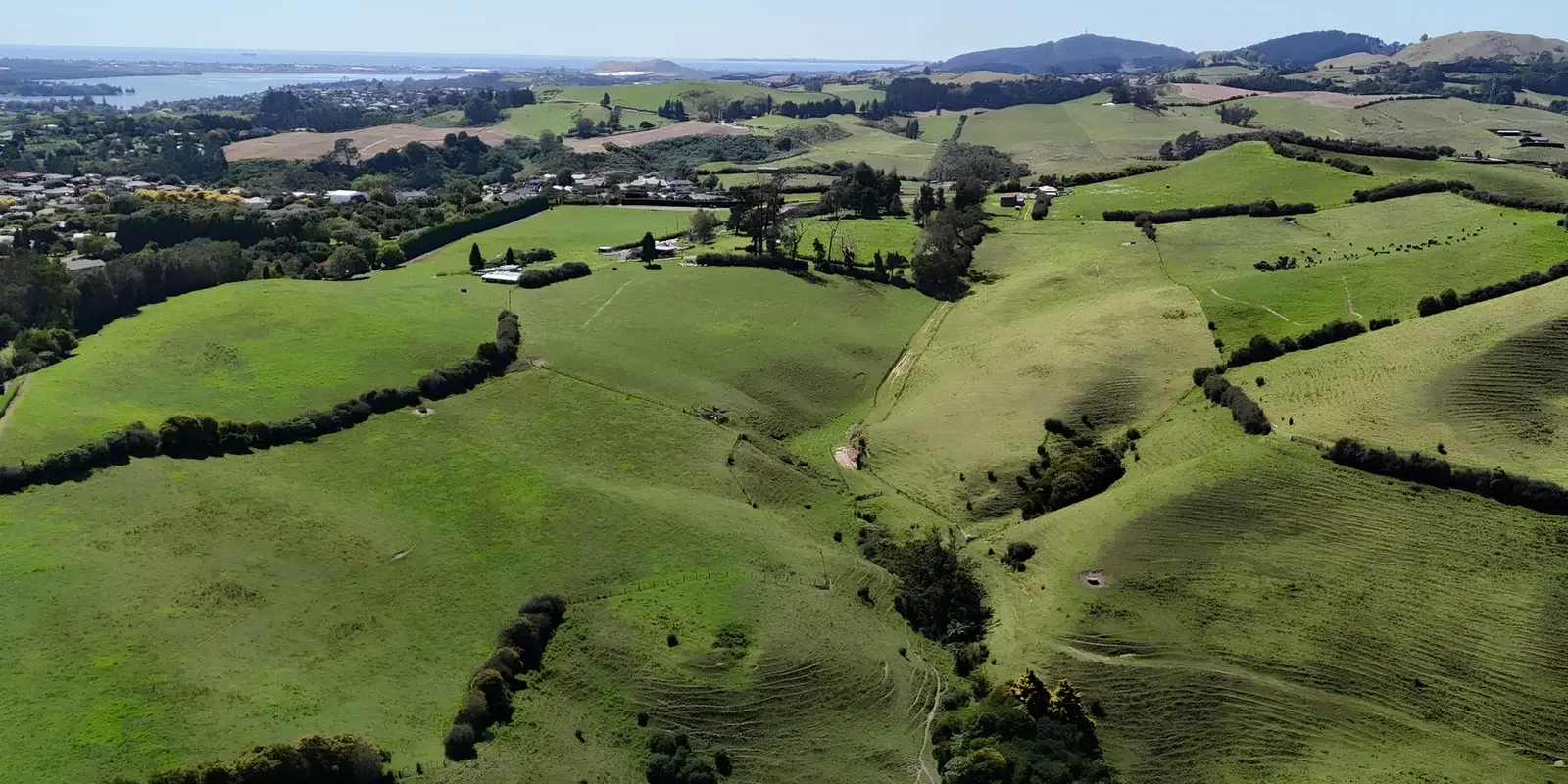
The name means “place of little wind”, and it is earned. Sheltered in the hills, you can grow things here that get burnt to bits at the beach — but still air brings its own problems, and most of them are damp ones.
The spread is wide here because a city-edge section and a rural block ten kilometres apart carry the same suburb name.
City-edge suburban sectionNewer developments, standard residential lotFrom $50 + GST
Standard Ōhauiti sectionEstablished property with beds and some slopeFrom $60 + GST
Large or rural block, ride-onUpper Ōhauiti and the original settlementFrom $95 + GST
Lawn reset for mossDethatch, feed and overseed — a one-off that lastsQuoted
Per visit, green waste included. Prices exclude GST, with GST added at the standard rate on the invoice. Worth knowing: on a mossy Ōhauiti lawn a single proper reset in autumn — dethatch, feed, overseed — does more than a year of moss killer, and usually costs less than the products people buy trying to fix it themselves. We quote it after seeing the lawn.
03
Local conditions
What Ōhauiti lawns need
The name means “place of little wind”, and it is accurate. Shelter is the upside and the problem at the same time.
Wind is what dries a lawn, and there is very little of it here. Tucked into the hills, Ōhauiti holds moisture longer than anywhere else we work. Lawns stay soft for days after rain when an exposed coastal lawn would be walkable by lunchtime, and paths go slippery. That single fact explains most of what goes wrong on a section here.
Moss is the local problem, and moss killer alone never fixes it. Moss is a symptom of damp, shade and compaction — kill it and it returns within a season because nothing about the conditions changed. What works is dethatching so water gets into the soil instead of sitting on a spongy layer, lifting or thinning whatever is casting the shade, raising the mowing height, and feeding and overseeding in autumn. Do all four and the grass out-competes it on its own.
Still, humid air is what fungal disease wants. It shows up as patches in the turf and mildew on foliage that people put down to bad luck. Three things help more than any spray: never watering in the evening, thinning dense shrubs from the inside rather than shearing the outside, and spacing new planting more generously than you would on an exposed section.
The upside is real, and worth using. Softer-leaved plants, subtropicals and anything that gets shredded or salt-burnt at the beach will sit here quite happily. If you have moved inland from Pāpāmoa or the Mount, your old rules do not apply — the planting palette here is considerably wider. Just give things room, because in still air a tightly planted bed never dries out.
04
On the ground
Where in Ōhauiti we work
Both ends — the city-edge developments and the original settlement up the hill.
City edge & suburban
Adler Drive · the newer developments · the shopping centre · the Toi Ohomai side
Upper Ōhauiti
Ōhauiti Road · the Upper Ōhauiti growth block · Ōhauiti South · newer hillside stages
The original settlement
Rural Ōhauiti to the south · larger blocks · paddocks and long boundaries · lifestyle properties
Neighbouring pockets
Welcome Bay · Poike · Hairini · Maungatapu · the Ōhauiti Reserve edges
Street not listed? Almost certainly still fine — Ōhauiti and Welcome Bay run together as one round for us.
Street by street
Every corner of Ōhauiti, by name
From the newer stages up the hill to the older streets down toward Hairini — if it’s one of these, we’re already mowing it.
Not an exhaustive list — just the ones people ask about most. New to any of these streets? You’re on the route.
05
Seasonal rhythm
The Ōhauiti year
Sheltered and inland, so it holds damp longer than anywhere else we work — and that shapes the whole calendar.
GrowthHighMidLow
JanWeekly
FebWeekly
MarFortnightly
AprFortnightly
MayFortnightly
JunMonthly
JulMonthly
AugMonthly
SepFortnightly
OctFortnightly
NovWeekly
DecWeekly
Apr – May
Beat the moss before winter
The most valuable window in Ōhauiti. Dethatching, feeding and overseeding now means the turf goes into winter thick enough to hold its ground rather than handing the damp months to moss. Do it in spring instead and you are treating the damage after it has been done. If you only book one thing here a year, book this.
Jun – Aug
Damp, and slow to dry
Little wind means little drying. Lawns stay soft for days after rain, moss makes its move in the shaded corners, and paths go slippery. Growth genuinely slows so monthly is plenty — but this is also when a shaded corner decides whether it is going to be lawn or moss next season.
Sep – Nov
Thin canopies, let the light in
The right time to lift tree canopies and thin dense shrubs, before summer growth closes everything over again. In a sheltered garden this matters more than pruning for shape — getting light and moving air down to ground level is what keeps the whole place healthy.
Dec – Feb
Warm, still and humid
Peak growth, and peak conditions for fungal problems on both lawn and plants. The practical rules are simple: never water in the evening, keep the mowing height up, and if beds have knitted shut, thin them rather than shearing the outside. Air movement is the whole game here.
Two years of buying moss killer and it always came back. They dethatched it, lifted the trees over the back lawn and reseeded in autumn. Best the lawn has looked since we moved in, and they never sold us a single product.
06
FAQs
Ōhauiti questions
What people up this way ask us most.
Our lawn is more moss than grass. Can it be fixed?
Yes, but not with moss killer on its own. Moss is a symptom of damp, shade and compaction — kill it and it returns within a season because nothing has changed. What works is dethatching so water gets into the soil rather than sitting on top, lifting or thinning whatever is casting shade, raising the mowing height, and feeding and overseeding in autumn. Done together the grass out-competes the moss by itself. It is usually a single reset visit plus a sensible ongoing schedule.
Why does our lawn stay wet for days after rain?
Because Ōhauiti genuinely is the “place of little wind” — the name is accurate. Wind is what dries a lawn, and without it moisture sits. Add a thatch layer holding water on the surface and some shade, and it can stay soft for days when an exposed coastal lawn would be walkable by lunchtime. Dethatching makes the biggest single difference, followed by getting light and air movement down to ground level.
We keep getting mildew on plants. Is that us doing something wrong?
Usually not — it is the conditions. Warm, humid, still air is exactly what fungal problems need, and Ōhauiti supplies all three. Three things help more than any spray: never water in the evening so foliage does not sit wet overnight, thin dense shrubs from inside rather than shearing the outside so air can move through, and space new planting more generously than you would on an exposed section.
Can we grow things here that failed at our old place by the beach?
Almost certainly, and this is the genuine upside of Ōhauiti. Softer-leaved plants, subtropicals and anything that gets shredded or salt-burnt in an exposed coastal garden will sit here quite happily. If you have moved inland from Pāpāmoa or the Mount, the old rules do not apply — the planting palette here is considerably wider.
Do you cover the rural end as well as the new developments?
Both. The original Ōhauiti settlement sits about ten kilometres south of the city centre and is genuinely rural — larger blocks, paddocks, long boundaries — while the same name covers the newer developments on the built-up edge to the north. Very different jobs, so tell us which end you are at and roughly how big the section is and we will bring the right gear.
Our section is on a slope. Is that a problem?
Not usually — Ōhauiti is hill country and sloping sections are normal here. We use walk-behind and dedicated slope equipment rather than putting a ride-on somewhere it could slide. On the damp shaded banks that are common here, mulch or ground-cover planting is often a better long-term answer than mowing, and we will tell you honestly when that is the case.
How often does an Ōhauiti lawn need mowing?
Weekly through December to February, fortnightly either side, and monthly from June to August. One local adjustment: we cut a notch higher here than we would on the coast, all year. More leaf means the grass shades out moss and competes better in damp conditions, and it costs nothing to do.
How is GST handled, and is green waste included?
Green waste disposal is already included. Prices are quoted exclusive of GST, with GST added at the standard rate on the invoice, so nothing gets added at invoice time.
07
Nearby
We also cover
Neighbouring suburbs on the same run — handy if you have a rental or family elsewhere in the Bay.