
Too thin and it doesn’t suppress weeds or hold moisture. Too thick and it can smother plant roots and starve the soil of air.
Mulching, Bark & Weed Mat
Ōhauiti
Mulching, Bark & Weed Mat in Ōhauiti
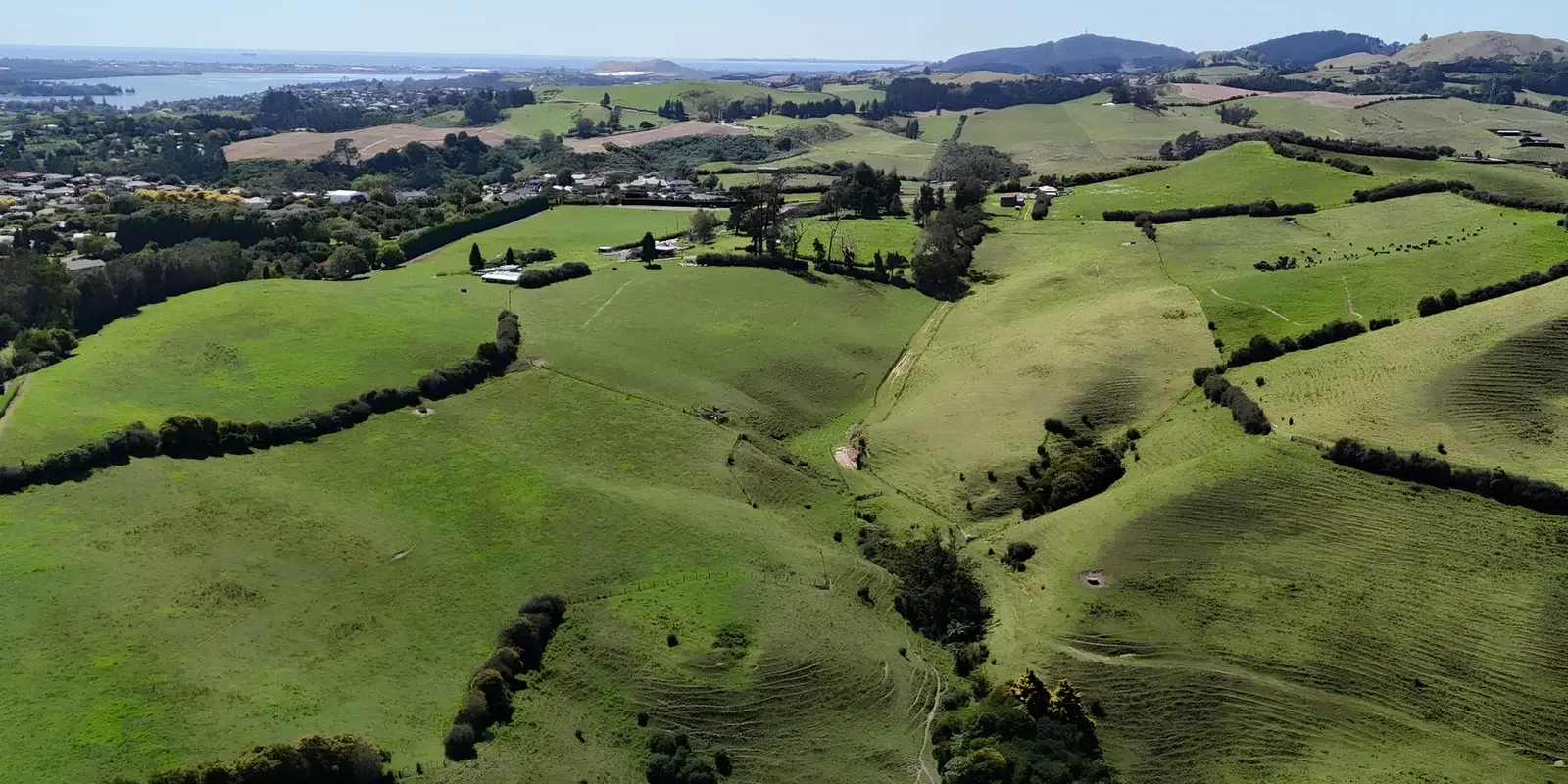
A good layer of mulch does three jobs at once — it holds moisture in, keeps weeds from germinating, and finishes a garden bed off properly. Established Ōhauiti gardens near the shops often have beds that have gone bare or thin over the years, while new landscaping on the hillside subdivisions needs its first-ever layer of mulch to get established beds off to a proper start, sometimes on a slope where it needs a bit of help staying put. We prep, lay, and top up to the depth that actually does the job.
From $149supplied, delivered & spread
Fixed price agreed before we start — nothing added after.
- Laid to the depth that actually works
- Weed mat where it’s genuinely needed
- Beds edged and finished properly
- No lock-in, cancel any time
Which garden beds need it?
A rough bed size and whether you want weed mat helps us quote accurately.
Fully insured
Laid to correct working depth
Weed mat pinned and finished properly
Pause any time
Three things decide how a mulching job is done
Depth and material matter more than most people expect.
Coarse bark, fine mulch and compost-based products all behave differently for moisture retention, weed suppression and appearance — and hold differently on a slope.
Mat under mulch is excellent for new, low-maintenance beds, but it can get in the way of established plants that are meant to spread.
75mmIdeal mulch depth for most beds
6–12moTypical top-up interval
$149fromSupplied, delivered and spread
80%Fewer weeds with correct mulch depth
Why mulch depth matters more than mulch type
A thin layer of the best bark still won’t suppress weeds properly.
Under 40mmWeeds germinate through it
60–100mmBlocks light, holds moisture properly
Mulch works by blocking the light weed seeds need to germinate and by slowing moisture loss from the soil beneath. Both of those only really kick in past a certain depth.
A thin, patchy layer looks tidy on the day it’s laid but does very little of the actual job — weeds punch straight through it within weeks.
Around 75mm is the sweet spot for most garden beds. Deep enough to properly suppress weeds and hold moisture, without piling material up against plant stems or smothering shallow roots.
Existing beds often just need topping up rather than a full re-lay — checking the current depth first avoids paying for a full job when a top-up will do.
Depth does the work, not the brand of bark. A properly thick layer of ordinary mulch beats a thin layer of the good stuff.
What a mulching visit includes
Prepped beds, correct depth, finished edges.
Check existing depthConfirms top-up versus full re-lay.
Weed and tidy bedsBeds cleared before new mulch goes down.
Lay weed mat, if neededFitted and pinned under new mulch.
Spread mulch to depthEven coverage at the correct depth.
Edge and finishClean line against lawn and paths.
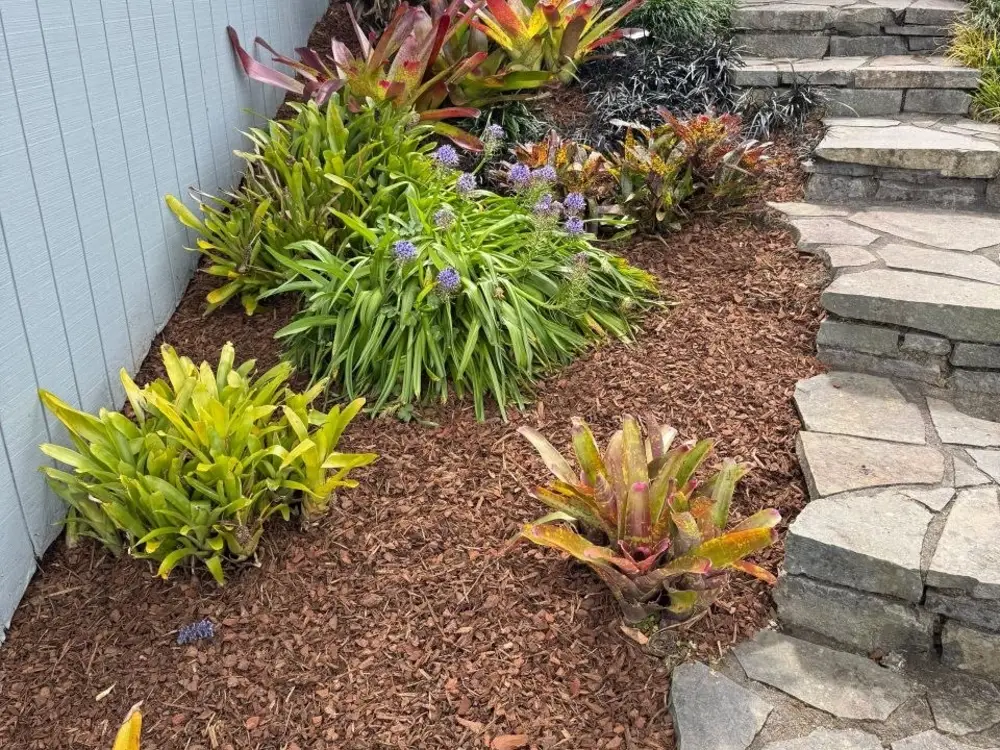
Existing beds are checked first — a top-up is a different job to a full re-lay, and it’s priced differently too.
On site1–3 hours, area dependent
Depth achieved60–100mm
Beds are weeded before mulch goes down, not after. Mulching over existing weeds just buys them a head start once they push through.
Established property or new-build section — it changes the job
Ōhauiti runs from a settled, flatter core to sections still being built out on the hill.
An established garden near Ohauiti Road usually needs an existing mulch layer topped up or refreshed, checked for depth before anything new goes down. New landscaping on a hillside section is a first-time job — freshly planted beds with bare soil in between that need mulch and often weed mat laid from scratch to get moisture retention and weed suppression working from day one. On sloped beds we lay it heavier at the base and edge it properly so a hard rain doesn’t wash it straight down the bank.
Established property
- Existing beds usually just need topping up
- Depth check first, avoids paying for a full lay
- Weed mat useful under low-maintenance shrubs
- Standard bark or mulch suits most beds
New-build section
- Bare soil between freshly planted specimens
- First-time mulch lay from scratch
- Sloped beds need edging to stop mulch washing down
- Weed mat especially valuable on new beds
We scope the job to the bed’s history and its grade, not a single default. A first-time lay on a sloped hillside section is a bigger job than a top-up on a flat established bed of the same size.
What it costs
Fixed once we’ve looked. Green waste is already in it — nothing added after.
-
From $149Small bed area, top-up Existing beds, refresh only
-
$280–$420Standard bed area, full lay New mulch, weeding included
-
$350–$550Weed mat plus mulch New or refreshed beds with mat
-
QuotedLarge, multiple or sloped garden areas Bigger coverage, more prep
What moves it
Bed areaThe main driver of material and time cost
Top-up versus full layExisting beds cost less than starting fresh
Weed mat and edgingAdds material and installation time, more so on a slope
AccessWheelbarrow-only or steep sites take longer to fill
We check existing mulch depth before quoting a full lay. A top-up costs a lot less than starting from bare soil, and plenty of beds only need the former.
Mulching demand through the year
Best laid before the growing season locks moisture needs in.
JanFebMarAprMayJun
JulAugSepOctNovDec
Frequency key
Peak seasonShoulder seasonQuiet season
Spring mulch does the most work. Laid before summer heat sets in, it holds moisture through the driest months — new landscaping on freshly turned hillside soil benefits most, since bare, sloped beds dry out and erode fastest without it.
We landscaped the section after the build and had a row of bare garden beds on a slope with nothing on them. They laid weed mat and mulch properly across the lot, edged it so it wouldn’t wash down the bank, and six months on the weeding time alone has made it worth it.
What people ask us
Mostly about the job rather than about us, which is how it should be.
01How deep should mulching, bark and weed mat in Ōhauiti be?
Around 75mm is ideal for most beds — enough to block light and hold moisture without smothering plants.
02Does mulching, bark and weed mat in Ōhauiti need weed mat under the mulch?
It helps in low-maintenance or new beds, but isn’t always right for established plants that spread naturally.
03How often does mulching, bark and weed mat in Ōhauiti need topping up?
Roughly every six to twelve months, depending on material and how exposed the bed is.
04Is the mulching, bark and weed mat quote in Ōhauiti the price I pay?
Yes. We agree the number before we start and nothing gets added afterwards — material, delivery and green waste are all in it.
05What mulching, bark and weed mat suits new beds on a sloped Ōhauiti section?
A first-time mulch lay with weed mat and proper edging to hold it in place gets weed suppression and moisture retention working from day one without it washing down the bank.
06What type of mulch does mulching, bark and weed mat in Ōhauiti use?
We’ll recommend bark, fine mulch or compost-based product depending on the bed and its exposure.
07Does mulching, bark and weed mat in Ōhauiti attract pests?
Properly laid mulch at the right depth is low-risk — piling it against stems or walls is what tends to cause issues.
08Can beds in Ōhauiti be weeded and tidied without mulching, bark and weed mat?
Yes, that’s covered under garden maintenance if you don’t need fresh mulch laid.
While we’re there
Most people add one or two of these, since we’re already on the property.
11
Rental & Section Clean-Ups
Dated before and after photos, itemised invoice.
12
Commercial Grounds Maintenance
Scheduled visits, single point of contact.
01
Lawn Mowing & Edging
Weekly to monthly, edges cut every visit.
02
Ride-On Mowing
For the bigger sections, honest about which ones need it.
03
Weed Control & Fertilisation
Calibrated to your soil, not a one-size feed.
04
Lawn Dethatching
For lawns carrying years of thatch build-up.
