
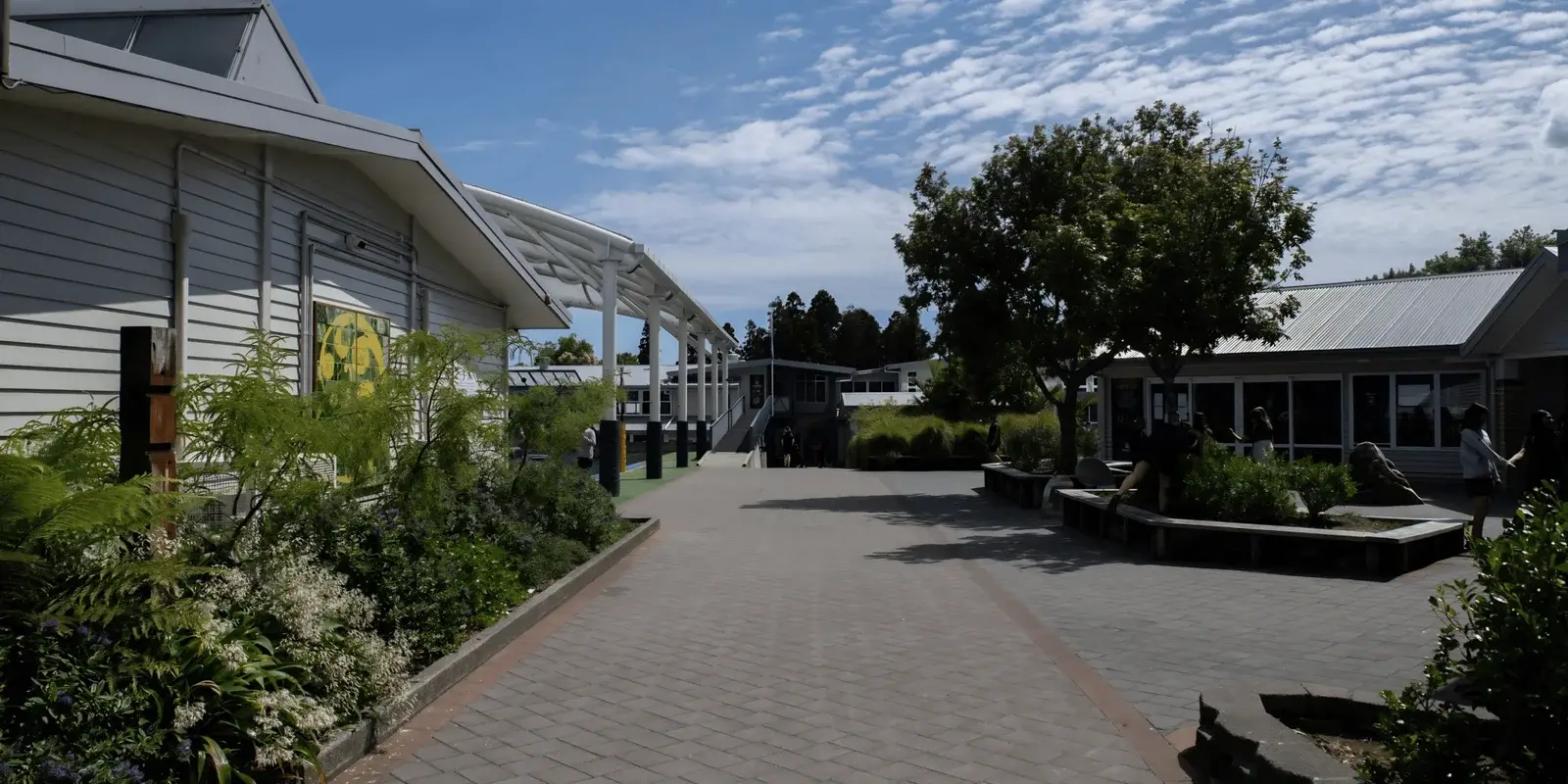
A proper mulch layer blocks light to weed seed sitting in the soil, cutting the amount of weeding needed on every visit after — roughly by half in most established beds.
Mulching, Bark & Weed Mat
Ōtūmoetai
Mulching, Bark & Weed Mat in Ōtūmoetai
Renewing an established bed and protecting a freshly planted one are different jobs with the same result — roughly half the weeding on every visit after. We match the mulch and mat to what’s actually there.
From $149supplied, delivered & spread
Fixed price agreed before we start — nothing added after.
- Roughly halves ongoing weeding
- Established or new beds both covered
- Quality bark and weed mat
- No lock-in, cancel any time
What are we mulching?
Roughly how big the bed area is helps us quote it accurately.
Roughly halves ongoing weeding
Fully insured
Quality bark, properly laid
Pause any time
Why mulch does more than tidy a bed
It’s doing real work underneath, not just finishing the look.
Mulch slows evaporation from the soil surface, which matters more on established beds that have had years to dry out and compact.
A woven mat under mulch adds another weed barrier, most valuable on newly planted beds where there’s no existing root network competing with weeds yet.
~½lessWeeding after a proper mulch
75–100mmBark depth we lay to
12–18moTypical top-up interval
$149fromSupplied, delivered and spread
Renewing an old bed versus protecting a new one
The mulch works the same way, but the starting point is different.
Established bed renewal
Weed-suppressed
Old mulch cleared, fresh layer laid over settled soil
New bed, first mulch
Weed mat first
Mat laid before mulch, protecting fresh planting early
An established Ōtūmoetai garden bed that’s had mulch before usually just needs the old, broken-down layer topped up or refreshed — the soil underneath is already settled and planted out.
A brand new bed on a recently subdivided section benefits from weed mat laid first, before any mulch goes down — it gives young plants a head start before weeds have a chance to establish alongside them.
Either way, depth is what does the work. Too thin and light still reaches weed seed underneath; we lay to a proper depth rather than a token scatter.
Bark breaks down over time and needs topping up every twelve to eighteen months on average — we’ll tell you honestly when a bed needs it rather than booking on a fixed schedule regardless.
Depth is what suppresses weeds, not the mulch itself. A thin scatter looks tidy but does almost nothing.
What a mulching visit includes
Prep matters as much as the bark itself.
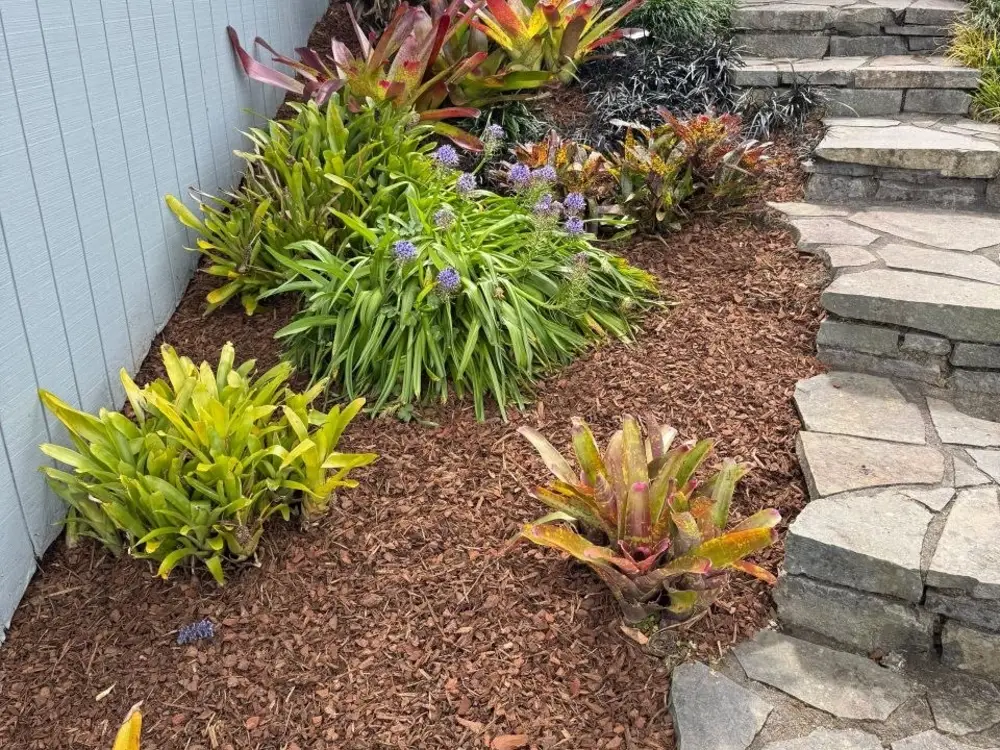
- 01Clear the bed firstExisting weeds pulled, old broken-down mulch cleared if renewing.
- 02Lay weed mat, if neededEspecially valuable on new beds without established planting yet.
- 03Spread bark to proper depth75 to 100mm, not a thin scatter that lets light through.
- 04Edge and finishA clean line where the bed meets lawn or path.
- 05Photo and goneConfirmation shot sent through once it’s done.
On site30 min–2 hrs, bed size
PhotoSent after
We supply the bark and mat. Quality material laid to proper depth, not the cheapest option spread thin to cover more ground.
Renewing old beds versus protecting new ones
Ōtūmoetai’s settled housing mix means both jobs are common.
Ōtūmoetai’s established sections often have garden beds that have carried mulch on and off for decades, while newer townhouse plantings are frequently getting their first-ever mulch and weed mat layer. The approach differs slightly — renewal versus first-time protection — but the underlying job is the same.
Established quarter-acre
Established bed renewal
- Old, broken-down mulch cleared before the fresh layer goes down
- Soil underneath is settled, with established planting already in place
- Weed pressure is often established too, so depth matters more than mat
- Usually due for a top-up every twelve to eighteen months
New townhouse section
New bed, first mulch
- Weed mat laid first gives young planting a head start against weeds
- Fresh soil, often thinner and more prone to drying out without protection
- Lower weed pressure yet, but easier to keep it that way from day one
- Usually the more straightforward first-time job
Tell us whether it’s a top-up or a first-time job when you enquire. It changes whether weed mat makes sense and how much prep the visit needs.
What it costs
Fixed once we’ve looked. Green waste is already in it — nothing added after.
-
From $149
Single bed top-up
Existing mulch refreshed
-
$149–$220
Standard bed renewal, weed mat included
Cleared, matted and mulched
-
$220–$400
Multiple beds or larger area
Whole-property mulching
-
Quoted
New bed, first-time install
Mat and mulch on fresh planting
What moves it
Bed areaThe main driver — more square metres, more bark and time
Renewal vs newClearing old mulch first adds time renewal jobs don’t always need
Weed matAdds material and labour but reduces future weeding
AccessBarrow access for bulk bark delivery
We quote by area and depth, not a flat per-visit rate. A single small bed and a whole-property mulch are priced honestly on what they actually take.
Best time to mulch
Spring locks in moisture before summer heat; autumn protects over winter.
JanFebMarAprMayJun
JulAugSepOctNovDec
Ideal windowWorkableLeast useful
SpringLocks in moisture pre-summer
AutumnProtects beds over winter
12–18moTypical top-up interval
Spring mulch does the most work. It locks in moisture right before the driest, hottest stretch of the year.
The beds along the fence line hadn’t been mulched properly in years, if ever — weeds were constant. Laid weed mat under fresh bark and it’s genuinely cut the weeding down to almost nothing since.
What people ask us
Mostly about the job rather than about us, which is how it should be.
01How much does mulching, bark and weed mat in Ōtūmoetai reduce weeding?
Roughly half, in most established beds, by blocking light to weed seed already in the soil. It’s not zero maintenance, but it’s a real reduction.
02Does mulching, bark and weed mat in Ōtūmoetai need weed mat, or is mulch enough?
Mulch alone works reasonably well on established beds with existing planting. Weed mat adds real value on new beds without much planted yet, where there’s more bare soil for weeds to colonise.
03How often does mulching, bark and weed mat in Ōtūmoetai need topping up?
Roughly every twelve to eighteen months as it breaks down, though it depends on the bark type and how exposed the bed is. We’ll tell you honestly when a bed actually needs it.
04Can mulching, bark and weed mat in Ōtūmoetai cover just one bed?
Either. Plenty of bookings are a single bed rather than a full property.
05Does mulching, bark and weed mat in Ōtūmoetai include supplying the bark and mat?
We supply quality material as part of the price — no need to source anything yourself.
06Does mulching, bark and weed mat in Ōtūmoetai attract pests?
Properly laid bark mulch, kept away from direct contact with structures, is generally low risk. We can advise on placement if it’s a specific concern.
07What bark types suit mulching, bark and weed mat in Ōtūmoetai?
Mostly appearance and breakdown speed — we can talk through options that suit your garden’s look and how often you want to top it up.
08Is there a minimum area for mulching, bark and weed mat in Ōtūmoetai?
No set minimum area — a single bed is a perfectly normal booking. Pricing starts at $149 whether it is one bed or several, and goes up from there with the area covered.
While we’re there
Most people add one or two of these, since we’re already on the property.
00
All Ōtūmoetai services
The full twelve, and what this established harbour suburb does to each.
Mulching, Bark & Weed Mat in other areas
11
Rental & Section Clean-Ups
Dated before and after photos, itemised invoice.
12
Commercial Grounds Maintenance
Scheduled visits, single point of contact, H&S done properly.
01
Lawn Mowing & Edging
Weekly to monthly, edges cut every visit.
02
Ride-On Mowing
For the bigger established sections, honest about which ones need it.
03
Weed Control & Fertilisation
Calibrated for established lawns, not a one-size feed.
04
Lawn Dethatching
Where decades of the same cut have built up a layer worth clearing.
