
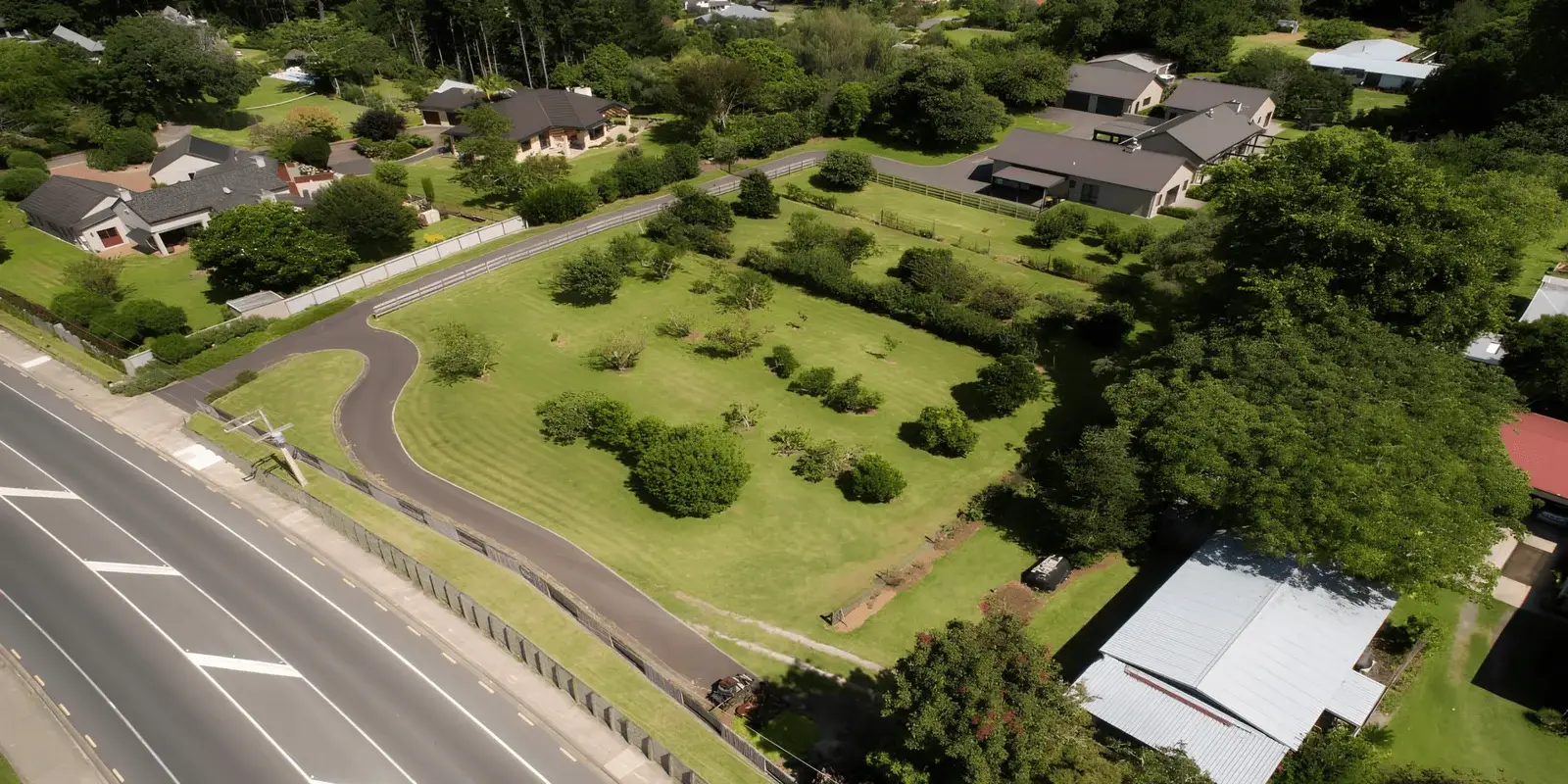
On a sloped Pyes Pā section, getting the fall right before anything’s laid means water moves off the surface and away from the house instead of pooling in a low corner or racing straight off a slope and taking topsoil with it.
New Lawn Install
Pyes Pā
New Lawn Install in Pyes Pā
Turf or seed, the result only lasts if what’s underneath it is right first. On rolling hill-country ground, most of the job happens before a single strip of grass goes down — and sometimes the honest answer is that you don’t need a new lawn at all.
From $35 per m²ready lawn, supplied & laid
Fixed price agreed before we start — nothing added after.
- Ready lawn or seed, your call
- Soil prep done properly first
- Care instructions included
- No lock-in, cancel any time
What’s your section like?
Tell us the street and we’ll give you a fixed price. Free, no obligation.
Fully insured
Sharp tools, tidy finish every visit
Green waste included
Pause any time
Three things that decide whether a new lawn takes
All three happen before the grass arrives. Skip one and it shows within a season.
On a bulk-earthworked new-subdivision section, topsoil is often laid thin over compacted subsoil, and depth can vary a lot section to section. Proper topsoil worked through the top 100–150mm gives new roots something to actually establish into.
Full sun and an open, exposed new-build section suit kikuyu’s vigour. A shaded, sheltered corner under established shelter planting on the orchard fringe often does better with a softer, shade-tolerant blend that won’t out-compete itself in low light.
100–150mmTopsoil depth worked in before laying
2–3weeksTypical seed establishment period
SamedayTurf ready to walk on, lightly
$35per m²Ready lawn, supplied and laid
Turf versus seed — the honest trade-off
Neither is the better option. They suit different timelines, budgets and slopes.
Turf is instant. Rolls go down, the section looks finished the same afternoon, and it can be walked on lightly within days. It costs more per square metre and it still needs careful watering for the first few weeks while roots knit into the new soil underneath — and on a slope it holds the surface immediately, which matters.
Seed sown into prepared soil costs noticeably less and covers large flat areas well, but it needs two to three weeks of consistent watering before it can be walked on at all, and on a genuinely sloped section the seed can wash before it germinates unless the grading and timing are right.
The deciding factor is usually timeline and slope, not preference. A property going on the market in six weeks needs turf. A flat section with no deadline and a tighter budget is well served by seed. A steep or hill-country section leans turf, for the same reason a slope needs instant surface hold.
Either way, the soil prep underneath doesn’t change. That’s where the job actually lives.
The grass is the easy part. Grading, drainage and soil depth are what decide whether either option is still there in two years.
What a new lawn job includes
From existing ground to a lawn you can plan a schedule around.
- 01Assess what’s thereExisting grass, soil type, drainage, slope, sun and shade — and whether a full replacement is actually the right call.
- 02Strip and clearOld grass, weeds and any debris removed so nothing competes with or smothers the new lawn.
- 03Grade and levelFall worked in so water moves away from the house and off the surface rather than pooling, or racing down a slope.
- 04Topsoil and prepQuality topsoil brought in and worked through, because thin or compacted ground alone won’t support new roots.
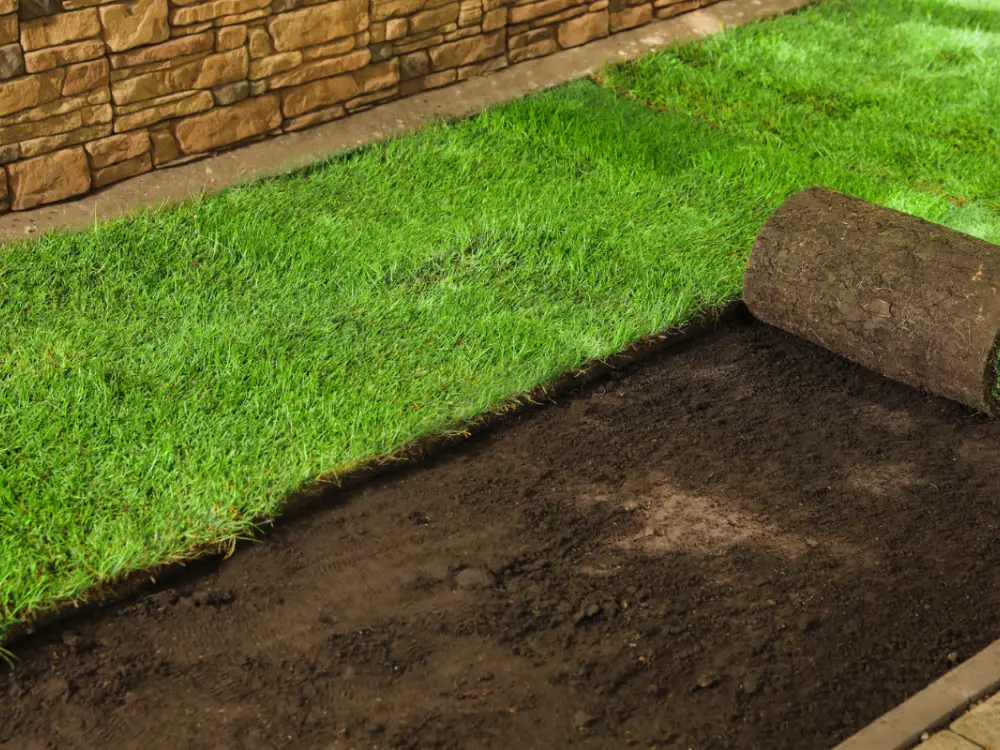
- 05Lay and establishReady lawn laid or seed sown, first deep water-in done on site, and clear care instructions left with you.
On siteHalf to full day
PhotoSent after
We’ll say if you don’t need this. A tired lawn is often a mowing and dethatching job away from looking new, at a fraction of the cost — see below.
Tauranga’s fastest-growing suburb, still growing
A new lawn is at its most vulnerable in its first month, and what it’s establishing into differs across Pyes Pā.
Pyes Pā has grown faster than any other suburb we cover — up 124.6% since 2013, 38.3% since 2018 — and most fresh building sites sit in bulk-earthworked new subdivisions like The Lakes, built out on former kiwifruit orchard and pastoral land. A new lawn going down on freshly graded subdivision ground is establishing into very different conditions to one replacing an old lawn on the orchard fringe.
Establishing on a new subdivision section
- Bulk-earthworked ground often carries compacted subsoil under a thin topsoil layer that needs proper working through
- Little to no established shelter yet, so wind and sun can dry a new seedbed faster than on older, planted ground
- Straightforward, open, level ground suits seed well where there’s no rush
- Watering routine matters most in the first month while roots are finding their way into fresh soil
Establishing on an orchard-fringe section
- Existing soil structure is often already reasonable if replacing an old, established lawn rather than starting from bare earth
- Rolling hill-country ground is more common here, so turf is usually the safer call for immediate surface hold
- Mature shelter planting and old orchard windbreaks can shade parts of the new lawn differently to open ground
- Larger areas on a lifestyle block mean more variable soil depth to work with across the site
We’ll tell you what watering commitment to expect for your specific site before you commit to turf or seed — a new lawn on a fresh subdivision section needs a genuinely different watering routine to one on a sloped, orchard-fringe block.
What it costs
Ready lawn starts at $35 per square metre, supplied and laid — here is what that works out to. Green waste is already in it.
-
From $650
Small courtyard, turf
Prep and lay, ready to walk on
-
$1,400–$2,600
Standard section, turf
Front and back, full prep included
-
Quoted
Larger or sloped section
Bigger blocks, either method
What moves it
AreaThe biggest single driver of both cost and method choice
Soil conditionThin or compacted ground needs more topsoil than an existing worn lawn
SlopeSteeper ground leans turf over seed, for surface hold
TimelineTurf costs more but removes the waiting period entirely
Seed on a larger, flat section is usually the better-value option if there’s no deadline to work to. Turf earns its cost back on a tight timeline, a sloped section, or a high-traffic area that needs to handle use immediately.
The best windows to lay a new lawn
Timing affects how much watering the establishment period actually needs.
JanFebMarAprMayJun
JulAugSepOctNovDec
Ideal — Sep–Nov & Mar–MayWorkable — Dec–FebSlow — Jun–Aug
Spring and autumn ask the least of a new lawn. Moderate temperatures and reliable rain mean less watering falls on you to make up, and less risk of losing seedlings to a hot, dry stretch before roots are down.
Told us straight our tired lawn wasn’t worth replacing — a dethatch and a proper mowing schedule sorted it for about a tenth of what a new lawn would’ve cost. Appreciated getting talked out of spending money rather than into it.
What people ask us
Mostly about the job rather than about us, which is how it should be.
01Ready lawn or seed for a new lawn install in Pyes Pā?
Turf if you need the lawn usable within days, you’re working to a deadline, or your section has any real slope. Seed if cost matters more than timeline, you can hold off using the area for two to three weeks, and the ground is reasonably flat.
02How long before I can use a new lawn install in Pyes Pā?
Turf can take light foot traffic within days and normal use within a few weeks once rooted. Seed needs two to three weeks before any foot traffic at all, and closer to six to eight weeks before it handles regular use.
03Does a new lawn install fix a patchy or thin Pyes Pā lawn?
Not always the best first move. A lot of tired lawns are a dethatch, a proper mowing height and a season of consistent care away from looking genuinely good again, at a fraction of a full replacement’s cost.
04Is kikuyu right for a new lawn install on a Pyes Pā subdivision?
For most sun-exposed new-build sections, yes — it establishes fast and handles disturbed ground well. Shaded sections under established orchard-fringe shelter planting sometimes do better with a softer shade-tolerant blend instead.
05Does a sloped Pyes Pā section change the new lawn install method?
Yes — on a genuinely sloped section, seed risks washing before it germinates unless grading and timing are carefully managed. Turf holds the surface from day one, which is why it’s usually the safer call on hillier ground.
06What’s the biggest cost driver for a new lawn install in Pyes Pā?
Area first, then soil condition and slope. A hillier orchard-fringe block with variable soil depth needs more careful prep than a flat, standard subdivision section.
07How do you stop weeds beating a new lawn install in Pyes Pā?
The old surface is fully cleared and any weed growth removed before grading, so the new lawn isn’t germinating alongside weed seed already in the ground.
08Can a new lawn install in Pyes Pā happen any time of year?
Technically yes, though summer and deep winter both ask more of the establishment period. Spring and autumn need the least intervention from you to get a good result.
While we’re there
Most people add one or two of these, since we’re already on the property.
06
Garden Maintenance
Beds kept ahead of the season, waste off site the same day.
07
Tree & Hedge Trimming
Species checked first, especially on established orchard-fringe shelter planting.
08
Stump Grinding
Compact grinders for sections a full-size machine can’t reach.
09
Shrubs & Rubbish Removal
Roots out properly, waste sorted into the right stream.
10
Mulching, Bark & Weed Mat
Roughly halves the weeding on every visit after it.
11
Rental & Section Clean-Ups
Dated before and after photos, itemised invoice.
00
All Pyes Pā services
The full twelve, and what Tauranga’s fastest-growing suburb does to each.
New Lawn Install in other areas
