
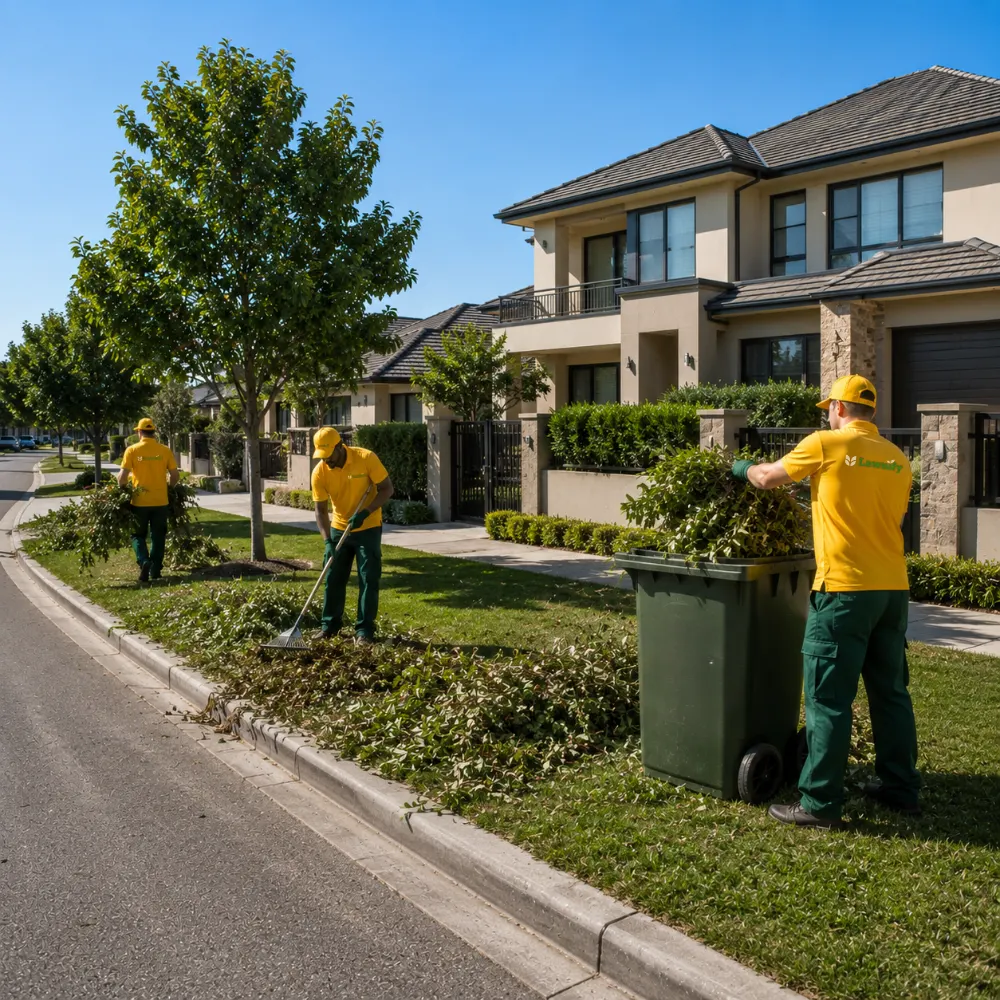
Every clean-up is photographed on arrival and again on completion, timestamped. That’s what turns “we mowed it” into evidence a property manager or landlord can actually use.
Rental & Section Clean-Ups
Pyes Pā
Rental & Section Clean-Ups in Pyes Pā
Dated before-and-after photos and an itemised invoice, split cleanly between what a tenant’s responsible for and what sits with the landlord. Across Pyes Pā’s mix of brand-new rentals and older orchard-fringe tenancies, we won’t settle the argument — we’ll document it properly.
From $249per clean-up
Fixed price agreed before we start — nothing added after.
- Dated before and after photos
- Itemised invoice, tenant/landlord split
- Fast turnaround for settlement dates
- No lock-in, cancel any time
What’s this for?
Tell us the street and we’ll give you a fixed price. Free, no obligation.
Fully insured
Sharp tools, tidy finish every visit
Green waste included
Pause any time
Three things a property manager actually needs
Not a different mowing job — the same work, with the paperwork that makes it usable in a tenancy context.
Mowing and weeding versus hedge and tree work are billed as separate lines, because under the Residential Tenancies Act they sit with different parties — more on that below.
Bond inspections and settlement dates are fixed. We prioritise tenancy turnaround work because the alternative — missing the date — isn’t really an option for anyone involved.
DatedphotosBefore and after, every job
ItemisedTenant versus landlord split, on the invoice
PrioritybookingFor fixed settlement dates
$249fromPer clean-up
Who’s actually responsible for what
General information about typical tenancy responsibilities, not legal advice — see the note below.
Under the Residential Tenancies Act, a tenant is required to keep the premises “reasonably clean and tidy” — in practice, this covers ongoing mowing and weeding of a section during the tenancy.
Trees, shrubs and hedges sit with the landlord, not the tenant — including the removal of cuttings from that work, because it’s generally accepted this needs specialist care and skill beyond routine upkeep.
This matters at the end of a tenancy specifically. Mowing an overgrown lawn back into shape at move-out does not, on its own, restore a section that’s been neglected for months — a lawn left unmown for a season needs the same staged first-cut treatment described on our mowing page, and that’s a different job to routine end-of-tenancy tidying.
Because the split matters for who pays for what, our invoice separates tenant-responsibility mowing and weeding from landlord-responsibility tree and hedge work as standard, rather than presenting one lump sum.
This is general information about typical tenancy responsibilities, not legal advice. For a specific dispute, Tenancy Services or a lawyer is the right call, not us.
What a clean-up visit includes
Photographed at both ends, invoiced by who’s responsible for what.
- 01Photograph on arrivalDated photos of the section’s condition before any work starts — the baseline everything else is measured against.
- 02Mow, edge and weed to a tidy standardThe tenant-responsibility work, done properly rather than a rushed pass.
- 03Hedge or tree work, if instructedLandlord-responsibility work, only where specifically requested and quoted as a separate line.
- 04Remove all green wasteSection left clear, nothing stacked by the fence for someone else to deal with.
- 05Photograph on completion, send the invoiceDated after photos and an itemised invoice sent to whoever’s managing the property.
On site30–90 min
PhotoBefore & after
We won’t take sides in a bond dispute. We document exactly what a section looked like before and after, and hand that evidence to whoever needs it — landlord, tenant or property manager — but working out who owes what from there is between the parties.
Tauranga’s fastest-growing suburb, still growing
What a booming rental market of new-build and older tenancies means for this job.
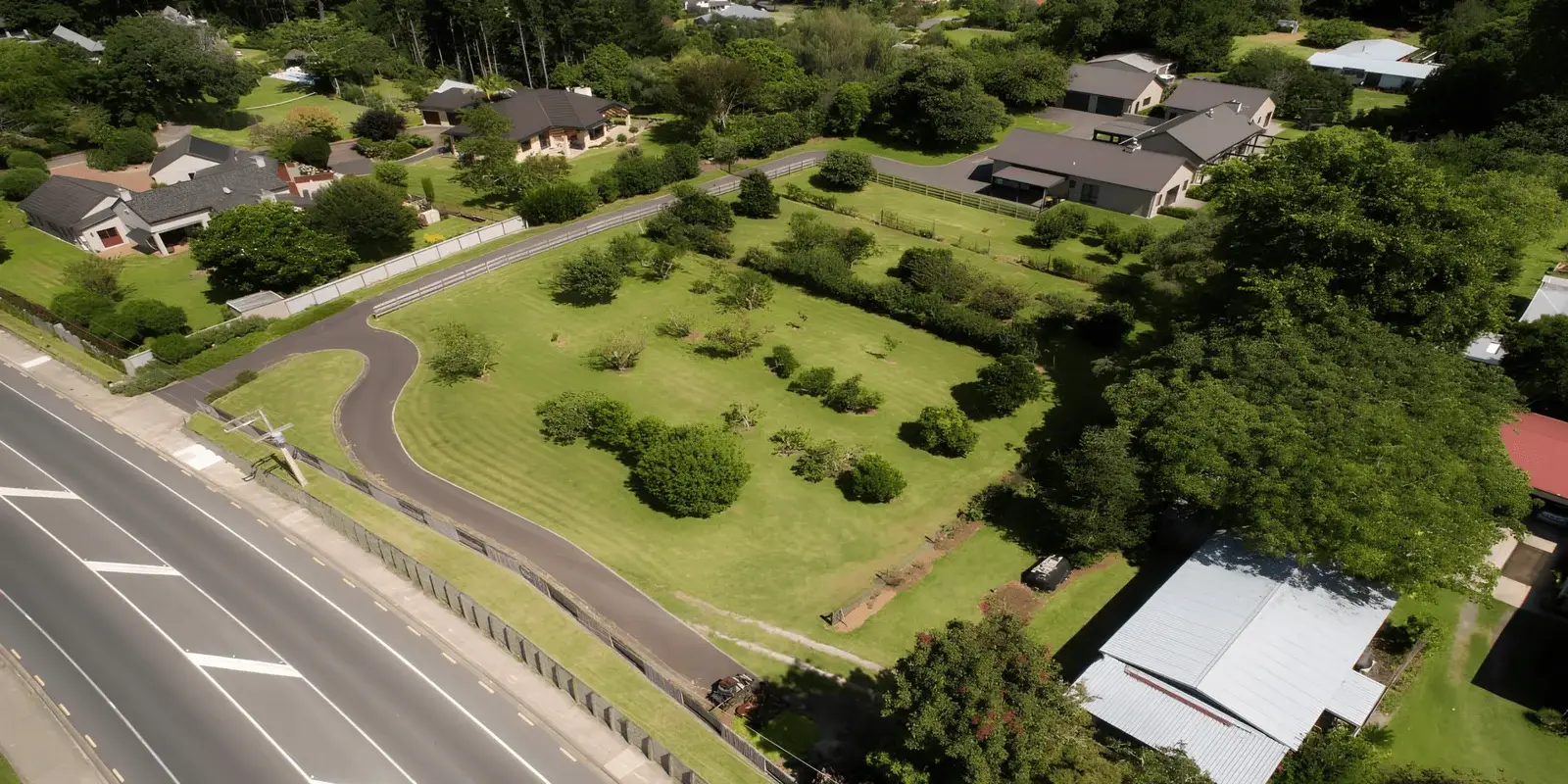
Pyes Pā has grown faster than any other suburb we cover — up 124.6% since 2013, 38.3% since 2018 — and a growing share of that new supply, particularly around The Lakes, has come onto the rental market as brand-new tenancies alongside a smaller stock of older, orchard-fringe rentals. That mix changes what a clean-up job typically looks like.
New subdivision tenancies
- Straightforward mowing and weeding on freshly landscaped sections
- Fresh boundary planting on a newer section is usually landlord-responsibility if it needs anything beyond routine care
- Trailer and mower access is generally easy on a standard new-build driveway
- Property managers benefit from a clear photographic baseline from the very first inspection
Orchard-fringe tenancies
- A mowed area around the house is usually the tenant’s responsibility, with any rougher ground beyond it a separate conversation with the landlord
- Older shelterbelt and hedge work can carry more landlord-responsibility time at turnover
- Slope and rural-fringe access add a mowing-access factor worth noting for the next contractor or inspection
- Instructions are often confirmed directly and quickly with a locally based landlord or manager
Whether the tenancy is a new subdivision section or an orchard-fringe block changes what a fair “tidy” standard looks like — we’ll photograph and note the difference so nobody’s judged against the wrong baseline.
This page provides general information about typical responsibilities under the Residential Tenancies Act 1986, not legal advice. For a specific tenancy dispute, contact Tenancy Services or a lawyer.
What it costs
Clean-ups start at $249. Fixed once we’ve looked, with green waste already in it — nothing added after.
-
From $249
Courtyard or townhouse
Compact section, standard tenancy turnover
-
$280–$420
Standard section
Mowing, edging, weeding, photos and invoice
-
$420–$650
Larger or lifestyle-block section
Bigger blocks or hillier gardens
-
Quoted
Hedge or tree work, landlord-instructed
Quoted separately, itemised on the invoice
What moves it
Condition at arrivalA neglected section costs more than a maintained one
Turnaround requiredUrgent settlement-date jobs are prioritised
ScopeTenant-only mowing versus landlord-instructed hedge work
AccessSame drivers as standard mowing — drive, gate, slope, edge length
Landlord-instructed hedge and tree work is always a separate, quoted line — never bundled into the tenancy mowing price, so the invoice stays clean for whoever’s reconciling costs against a bond.
When rental turnovers happen
A fast-growing suburb’s rental market runs on its own rhythm.
JanFebMarAprMayJun
JulAugSepOctNovDec
New-tenancy prep surge — Sep–NovStandard turnovers — year-round
New-tenancy prep clusters through spring here, matching both the season and the steady flow of freshly finished builds coming onto the rental market.
Manage a handful of rentals around Pyes Pā, from brand-new places near The Lakes through to a couple of older blocks on the fringe, and the dated photos have saved an argument with an owner more than once about what ‘tidy’ should look like. Straightforward, itemised, and it turns up when it says it will.
What people ask us
Mostly about the job rather than about us, which is how it should be.
01Tenant or landlord — who pays for rental section clean-ups in Pyes Pā?
In general terms under the Residential Tenancies Act, a tenant keeps the section reasonably clean and tidy, which covers mowing and weeding. Trees, shrubs and hedges sit with the landlord, including removing the cuttings from that work. This is general information, not legal advice — for a specific situation, Tenancy Services or a lawyer is the right call.
02Can rental section clean-ups in Pyes Pā be invoiced to the property manager?
Yes — tell us who to send the invoice and photos to and that’s where they go, whether that’s a property manager, the landlord directly, or both.
03How fast can rental section clean-ups in Pyes Pā be turned around?
Tenancy turnover work is prioritised in our scheduling because settlement and inspection dates are fixed. Tell us the date you’re working to and we’ll confirm whether it’s achievable before you book.
04Do rental section clean-ups in Pyes Pā include before and after photos?
Yes, as standard on every clean-up — dated photos on arrival and again on completion, sent along with the itemised invoice.
05What if there’s a damage dispute after rental section clean-ups in Pyes Pā?
We won’t take sides. We document what the section looked like before and after in dated photos and hand that evidence to whoever needs it — landlord, tenant or property manager — but resolving who’s responsible is between the parties, or Tenancy Services if it goes that far.
06Does a brand-new tenancy near The Lakes need different rental section clean-ups in Pyes Pā?
Mainly a clear photographic baseline from the very first inspection, since fresh landscaping and boundary planting is usually landlord-responsibility if it needs anything beyond routine mowing and weeding.
07Do rental section clean-ups in Pyes Pā cover hedges and trees?
Under the Residential Tenancies Act, that work generally sits with the landlord, not the tenant, so we quote and invoice it as a separate line rather than folding it into the tenant-responsibility mowing charge.
08How are rental section clean-ups in Pyes Pā different from lawn mowing?
The work itself is the same — mowing, edging, weeding — but this service adds the dated photo documentation and the itemised, responsibility-split invoice that a tenancy context specifically needs.
While we’re there
Most people add one or two of these, since we’re already on the property.
12
Commercial Grounds Maintenance
Scheduled visits, single point of contact, H&S done properly.
01
Lawn Mowing & Edging
Weekly to monthly, edges cut every visit.
02
Ride-On Mowing
For lifestyle blocks and bigger sections, honest about which ones need it.
03
Weed Control & Fertilisation
Calibrated for hill-country ground, not a one-size feed.
04
Lawn Dethatching
Once a year, autumn — more on the vigorous new lawns going in on fresh subdivisions.
05
New Lawn Install
Ready lawn or seed — and we’ll say if your section just needs time.
00
All Pyes Pā services
The full twelve, and what Tauranga’s fastest-growing suburb does to each.
Rental & Section Clean-Ups in other areas
