
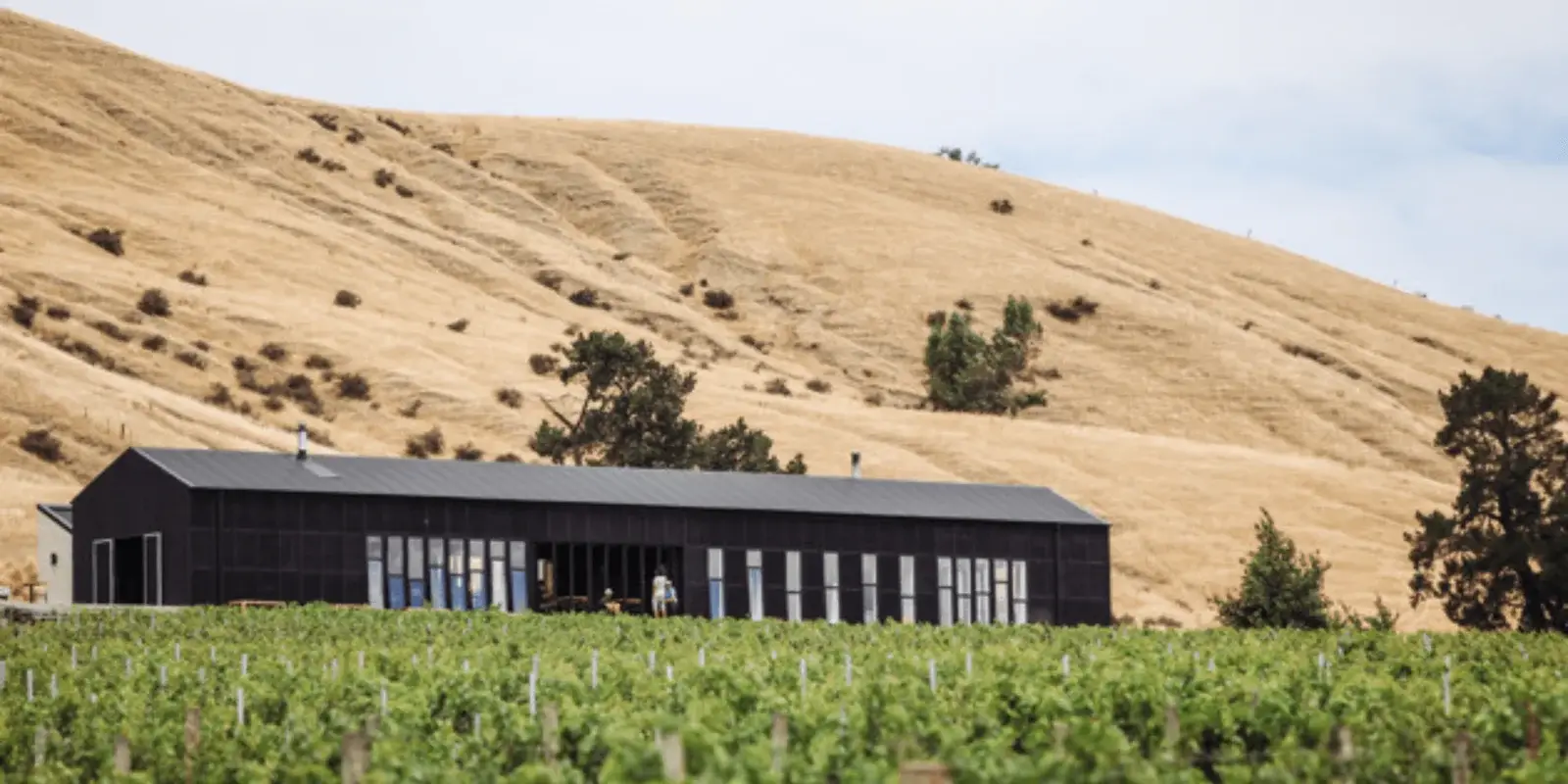
Thin and it suppresses nothing and holds no water. Piled too deep and it starves the root zone of air and holds damp against the collar of whatever it is heaped around. There is a working band, and the job is hitting it across the whole bed rather than on average.
Mulching, Bark & Weed Mat
Matua
Mulching, Bark & Weed Mat in Matua
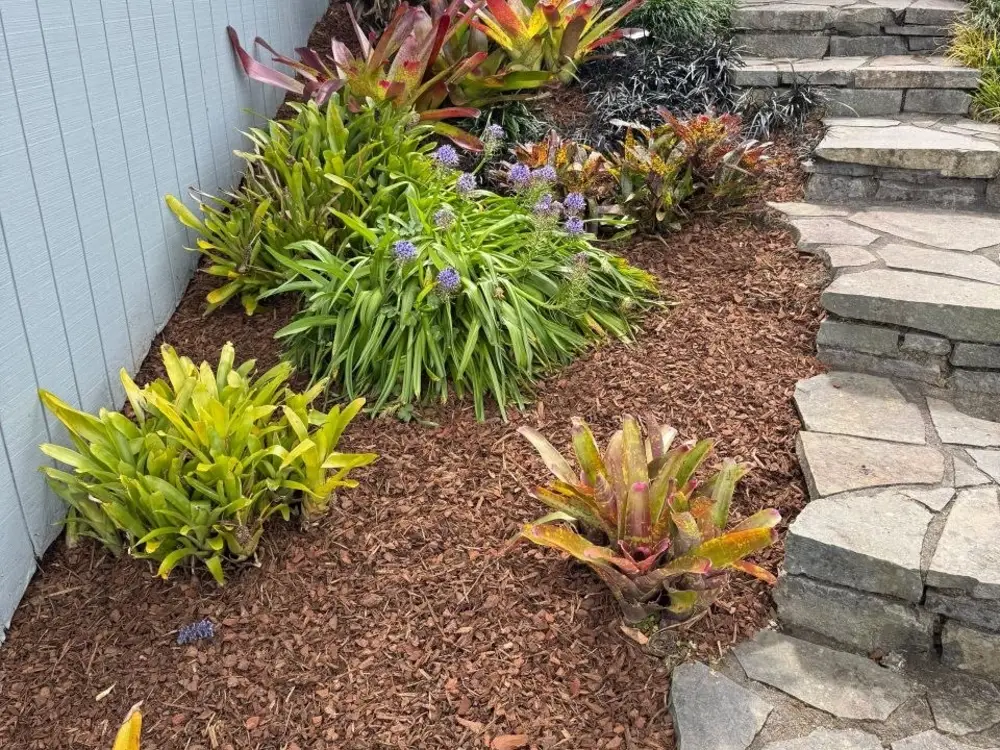
Bark is not decoration. Laid thick enough it starves weed seed of the light it needs to get going, slows the water leaving the soil, and takes most of the weeding out of every visit after it. Plenty of Matua beds — the older sections inland of Levers Road especially — have thinned back to bare soil over the years, which is exactly the condition weeds have been waiting for. We weed the bed out, lay to depth, and cut a clean edge against the lawn.
From $149supplied, delivered & spread
One figure, agreed before any bark leaves the yard. Nothing is added on the day.
- Laid to depth, measured not guessed
- Weed mat only where it earns its place
- Beds weeded out before anything goes down
- Police-vetted crew, no lock-in
Mulching quote
Which beds, and whether mat is going under them.
Police-vetted crew
Depth checked with a probe, not by eye
Mat pinned down, not floated over
No lock-in contract
What decides how a Matua mulching job is done
Three calls get made standing in the bed, before anything is ordered.
Coarse bark, fine mulch and compost-based product behave differently on moisture, on weed suppression, and on how long they stay where you put them. A shaded inland bed and an exposed one on the harbour side do not want the same thing.
Under a new low-maintenance planting it does real work for years. Under established ground cover meant to spread and fill in, it becomes a barrier somebody ends up cutting holes through. You get told which of the two you have.
75mmDepth we work to across most beds
6–12moBefore a top-up is worth paying for
From $149Supplied, delivered and spread
100+Happy customers across the Bay
Why mulch depth beats mulch type in a Matua bed
A thin layer of the best bark on the market still suppresses nothing.
Under 40mmLight gets through, seed germinates
60–100mmLight blocked, moisture held
Mulch does two things and both of them are mechanical. It shuts out the light weed seed needs to germinate, and it puts a layer between soil and air so water leaves more slowly. Neither effect switches on until there is enough material there to do it.
A thin, patchy spread looks finished on the afternoon it goes down. A few weeks later weed is pushing up through the gaps and the bed is drying out about as fast as it did bare, which is why so many people end up deciding mulch does not work.
Around 75mm is where it starts earning its keep. Deep enough to shut the light out and hold the moisture, shallow enough that it is not banked against stems or sealing shallow roots away from air.
Plenty of Matua beds do not want a full lay at all. If what is already down has settled to 40 or 50mm, a top-up puts you back in the working band for a fraction of starting from bare soil — which is the whole reason the depth gets checked before a price is given.
Depth does the work, not the brand on the bag. A proper thickness of ordinary mulch beats a scatter of the expensive stuff every time.
What a Matua mulching visit covers
Five steps, and the first one decides what the other four cost.
Probe the existing depthSettles whether this is a top-up or a full lay.
01
02
Weed the bed outCleared back to soil before anything new goes on.
Lay and pin mat, where it suitsCut in around plantings, pinned down, not floated.
03
04
Spread to depthEven across the bed, held back off stems and trunks.
Cut the edgeClean line where the bed meets lawn and paths.
05
The probe goes in before anything else — a top-up and a full lay are different jobs, and they are not priced the same.
On site1–3 hours, by bed area
Depth achieved60–100mm across the bed
Beds get weeded before the mulch, never after. Burying a living weed hands it a dark, damp start and a clear run up through 75mm of new bark — and you will be looking at it again by the end of the month.
Mulch choice changes across Matua
Shade and shelter on the inland streets, open wind out by the water.
Inland — Levers Road, Clarke Street, the streets backing onto Fergusson Park — beds sit under forty years of tree cover, hold their moisture and keep their mulch roughly where it was put. Out towards Beach Road and the saltmarsh, wind off Tauranga Harbour will lift a fine mulch off the bed and onto the lawn inside a season, and dries the surface far faster, so the material and the depth both move.
Sheltered inland beds
- Mulch holds its moisture well under shade
- Longer between top-ups than the harbour side
- Mat earns its place under low-maintenance shrubs
- Standard bark suits most beds on these streets
Beach Road and the saltmarsh edge
- Wind lifts a fine mulch straight off the bed
- Coarser bark stays where it is put
- Faster-drying beds want the top of the depth band
- Mat does more work on an exposed bed
The material gets picked for the site, not off a default. A fine mulch that looks beautiful in a shaded inland bed ends up spread across a harbour-facing lawn by the end of summer, and then you are paying somebody to rake it up.
What mulching and bark costs in Matua
From $149 for the material, the delivery and the spreading. The figure is settled on site once the beds have been measured and the weedings are carted away in it.
-
From $149Small bed area, top-up Existing beds brought back up to depth
-
Quoted on siteStandard bed area, full lay Weeded out, then laid from the soil up
-
Quoted on the bed areaWeed mat under the mulch Cut in around the plantings, pinned, then covered
-
Quoted on the walk-roundSeveral separate garden areas More ground, and more prep before anything lands
What moves it
Bed areaDrives both the material and the hours
Top-up or full layStarting from bare soil costs the most
Weed matMaterial, plus the time to cut it in
AccessA barrow-only run adds trips, not just minutes
The depth gets probed before a full lay is quoted. A top-up costs a long way less than starting from bare soil, and plenty of Matua beds only want the top-up — you will be told which yours is before you commit to anything.
When Matua beds get mulched through the year
Laid before the heat, so it is already holding water when the beds need it.
JanFebMarAprMayJun
JulAugSepOctNovDec
Frequency key
Peak laying windowSteady through these monthsToo wet and cold
Spring bark does the most work of the year. Down before the summer heat arrives, it is holding moisture through the driest weeks rather than being laid onto a bed that has already dried out. The exposed beds along the harbour frontage gain the most, because they are the first to go.
If the probe says your beds have settled to 50mm, you get quoted a top-up — not the full lay, which is worth two or three times as much on exactly the same bed. An invoice for a job nobody needed is the one a Matua owner remembers, and this suburb talks to itself.
What Matua owners ask about mulching
The eight that come up with a probe still in the bed.
01How deep should mulch actually go?
Around 75mm across most beds, and the lower bound matters just as much: under roughly 40mm you are getting neither the weed suppression nor the moisture. Above about 100mm you start trading one problem for another, with damp held against stems and air shut out of the root zone.
02Do our beds need weed mat underneath?
It depends entirely on what is planted. A new bed of shrubs that will stay where they are put is the right case for it. A bed of anything that spreads, layers or self-seeds is the wrong one, because the mat stops the plants doing what you bought them to do. It is quoted as an option rather than built into every price.
03What does mulching and bark cost in Matua?
It starts at $149 with everything in it, and the three things that move it are how much bed there is, whether the existing depth means a top-up will do, and whether mat is going underneath. A property with several separate garden areas is priced after a walk round the lot.
04Is the number you quote the number we pay?
Yes, and it is agreed before any material comes off the truck rather than tallied up afterwards. Nothing gets added on the day, and there is no separate line later for dumping what came out of the beds.
05Our beds are near Beach Road — does the harbour change it?
It changes the material more than the method. On an exposed bed a fine product does not stay put, so we go coarser and lay a little deeper than we would four streets inland. Those are also the beds that dry out first, which is the strongest reason to have them covered in the first place.
06How often does mulch want topping up?
Somewhere between six and twelve months, and which end of that depends on the material and how exposed the bed is. A coarse bark in a sheltered inland bed holds out far longer than a fine mulch on the harbour side. We probe it rather than putting you on a cycle.
07Does mulch bring pests in?
Laid properly, at depth, across the bed, it is not the problem people expect. What causes trouble is heaping it against house cladding, fence timber or plant stems, where it holds damp against something that needs to stay dry. We keep it pulled back from all three.
08Can you just weed the beds without laying mulch?
Yes, though that is garden maintenance rather than this job and it is priced separately. Worth knowing that mulching is the one thing on this list that reduces what you pay us afterwards, because a bed sitting at proper depth needs a fraction of the weeding.
Worth doing while the mulching crew is on site
A bed that went bare usually had some help getting there.
11
Rental & Section Clean-Ups
Photos dated either side of the job, every line itemised.
12
Commercial Grounds Maintenance
Visits on a set schedule, one person to ring.
01
Lawn Mowing & Edging
Keeps the clean edge your new bed line deserves.
02
Ride-On Mowing
For sections too big to walk a mower around.
03
Weed Control & Fertilisation
For the weeds in the lawn rather than the ones in the beds.
04
Lawn Dethatching
For when the lawn feels springy and water runs off it.
See every Matua service
Mulching, bark and weed mat in other Bay of Plenty suburbs
