
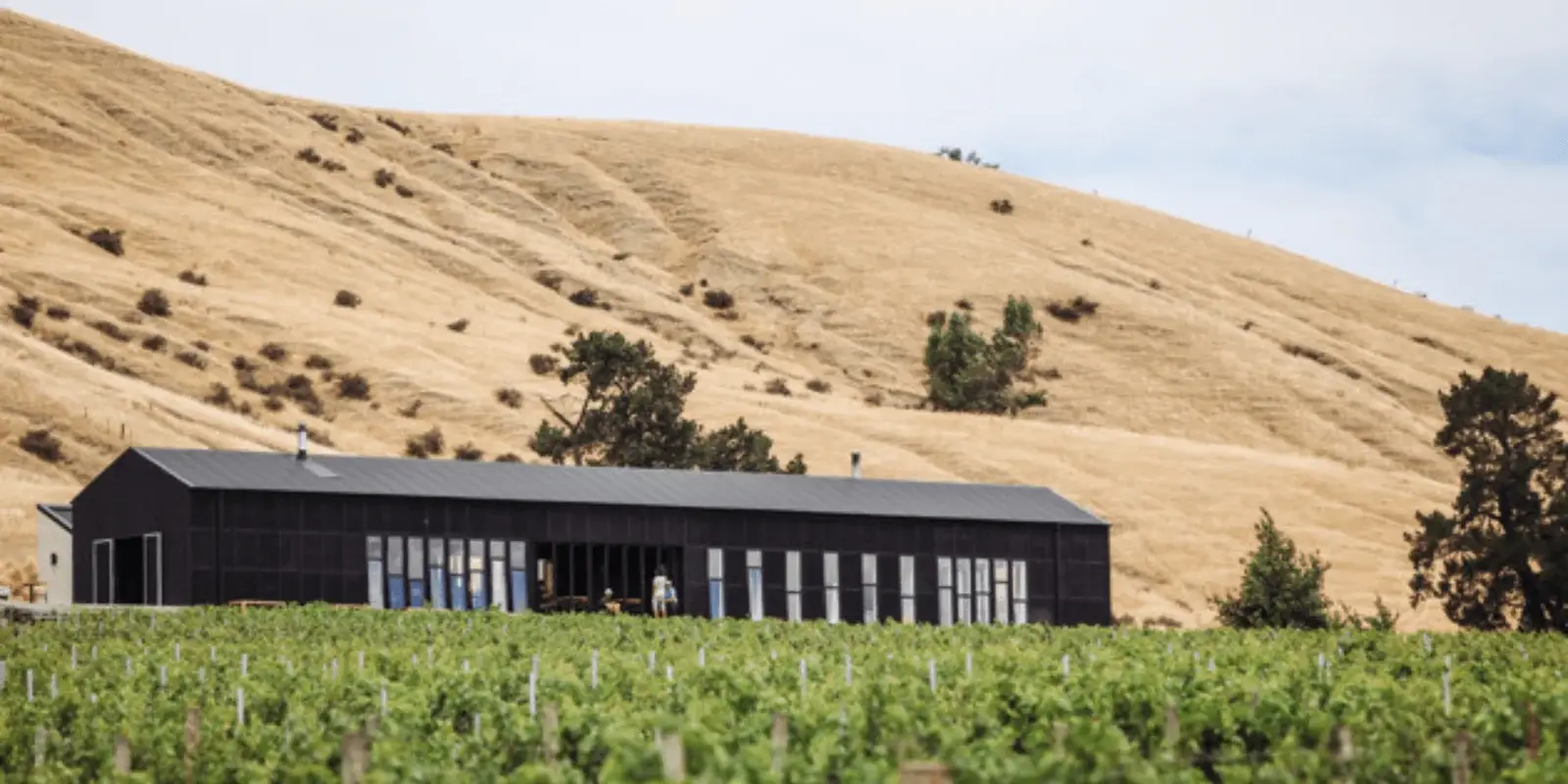
A core lifted out of the worst-looking patch shows the mat in cross-section. Under 10mm it stays where it is. Past 15mm it is a lid, and the blades get set to cut through it rather than skim across the top.
Lawn Dethatching
Matua
Lawn Dethatching in Matua
If the lawn on Levers Road or up behind Fergusson Park bounces like carpet underlay and the sprinkler water beads and runs off instead of soaking away, the mowing is not the problem — a felted mat of dead stem is sealing the surface shut. We bring a scarifier to Matua, cut that mat out in overlapping passes, bag every sack of it onto the trailer, and hand the roots back the water and feed they have been missing. Fixed from $189, priced once we have cored a plug and read how deep the mat really goes.
- Plug cored first, blade depth set off the reading
- Overlapping passes, not one token run
- Every sack of mat leaves on the trailer
- Police-vetted crew, no lock-in contract
Dethatching quote
Your address, plus roughly when the lawn was last opened up.
Police-vetted crew
Blade depth read off a cored plug
Mat bagged and carted off
No lock-in contract
What decides how hard a Matua lawn gets scarified
Three readings taken before the lawn dethatching machine comes off the trailer.
Scarifying takes a lawn apart on purpose, so it only earns its keep while the sward is pushing growth and able to knit the gaps shut. Open up a lawn that has stopped growing and it simply stays open.
A lawn that spreads along the ground lays fresh stem over last season’s dead stem, so the mat thickens every single year. Those are the Matua lawns that come back round for a second scarify soonest.
15mmWhere the mat stops cushioning and starts sealing
2–4wkWindow for the sward to knit back over
From $189Per visit, fixed off the plug reading
1–2yrInterval most established Matua lawns settle into
Why a springy Matua lawn is a dethatching job
That cushion underfoot is dead stem that never broke down.
Under 10mmA buffer — leave it alone
Over 15mmA lid — water and feed stop short
Lawn dethatching exists because of one thing: thatch, the dead stem and root tissue that has not rotted down. A thin band of it does a job: it takes the sting out of foot traffic and holds a little moisture around the crowns. Nobody needs a scarifier on a lawn carrying 8mm.
The trouble starts when that band thickens into something closer to felt. Sprinkler water beads on top and runs to the low corner. Granular feed lodges in the mat and feeds the mat. Roots climb up out of the soil into it, where they dry out first, and the lawn thins while you keep doing everything right.
None of this shows from the deck. A lawn can look even, mow neatly and still be carrying 20mm of felt. The honest check is a knife, a cored plug and a straight look at the layers.
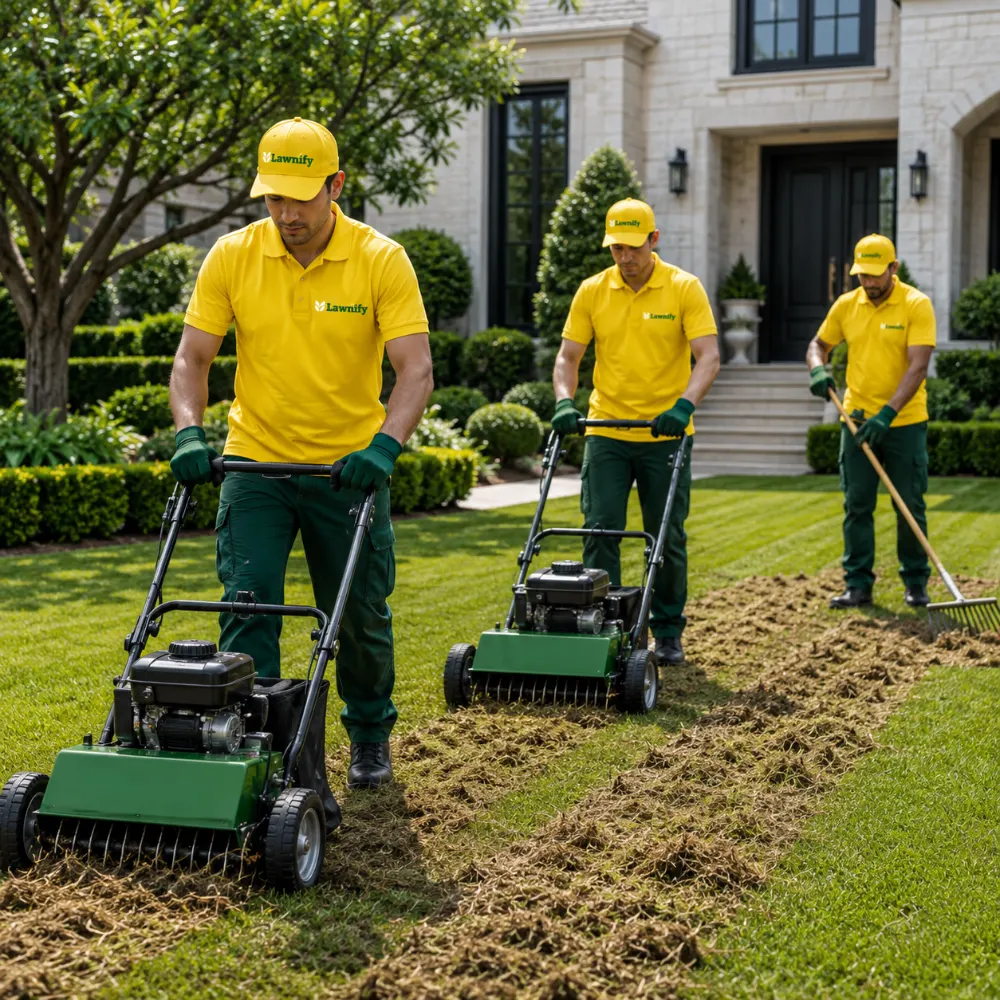
A scarifier does what no amount of raking will: it cuts vertically into the mat and tears it out along with the surface stem holding it together. The lawn looks rough for a fortnight, the roots get their water back, and the next feed finally lands in soil.
It is supposed to look terrible first. What comes up off the lawn is the mat leaving. That is the job doing its work, not the lawn taking a beating.
What a Matua dethatching visit actually involves
Five steps, in this order, on every lawn we open up.
Core a plugA knife cut out of the worst patch gives the mat depth.
01
02
Drop the mowing heightSward taken down short so the blades can reach the mat.
Scarify in two directionsOverlapping passes, then across them where the mat is heavy.
03
04
Bag and load the lotPulled mat raked up, sacked and taken off the property.
Leave a watering planWritten note on watering, feeding and keeping off it.
05
Blade depth comes off the plug, never off a dial — a shallow pass wastes the whole visit, and a deep one rips healthy crowns out along with the mat.
On site30–60 min on a standard Matua lawn
Recovery2–4 weeks for the sward to knit
Every sack goes on the trailer. Lawn dethatching on a long-neglected section fills more bags than anyone expects, and whatever gets left lying there smothers the grass trying to push back through it.
Dethatching recovery differs across Matua
Shaded inland streets at one end, open harbour air at the other.
The older sections inland — Clarke Street, Kulim Avenue, the streets backing onto Fergusson Park — give us the thickest plugs in the suburb, because those lawns have been mown faithfully for forty years and never once opened up. Out towards Beach Road and the saltmarsh the mats are thinner, but wind off the harbour pulls moisture out of a freshly scarified surface far quicker, so on that side the aftercare is what decides the result rather than the machine.
Inland established sections
- Thickest plugs we core anywhere in Matua
- Shade under mature trees slows the knit-up
- Blades usually set to the deeper reading
- Often worth repeating the following autumn
Beach Road and the saltmarsh edge
- Thinner mats on the newer lawns
- Harbour wind dries an opened surface fast
- Watering in the first fortnight does the work
- Salt-laden air takes the edge off regrowth
We book the date around the recovery, not the diary. A lawn out in the open, scarified during a dry and windy stretch, asks for watering the inland equivalent never needs, so if the week looks wrong we will say so and move you.
What dethatching a lawn in Matua costs
From $189 a visit, fixed once the plug is read. Carting the mat away is already inside that figure.
-
From $189Standard Matua lawn One scarify, mat bagged and removed
-
Quoted on siteLarger section More ground to cover in overlapping passes
-
Quoted off the plugFirst scarify on a neglected lawn Deeper setting, two directions, far more waste
-
Quoted on the daySplit lawns, slopes or tight gates Machine has to be carried between areas
What moves it
Lawn areaSets the pass count and the hours
Mat depthA thick lid needs a second direction
Waste volumeA first scarify fills the most sacks
AccessGates, steps and split areas add handling
We read the plug before we quote a full scarify. If the mat turns out to be thin, we will tell you so and put you onto feeding or aeration instead — a cheaper visit for you, and the right one.
When Matua lawns get scarified through the year
Pinned to the growth curve, not to a month on the calendar.
JanFebMarAprMayJun
JulAugSepOctNovDec
Frequency key
Peak scarify seasonShoulder seasonNot recommended
Autumn carries most of it, spring takes the rest. A lawn opened up while it is climbing will close back over inside a few weeks. The same lawn opened up in a dry January on the harbour side just sits there wounded, so we would rather hold the booking for the next window than take the money.
If the plug says the mat is thin, you get told that at the quote and we walk off a $189 job — even though you would have paid for it without ever knowing. A Matua lawn scarified when it did not need it is a fortnight of looking wrecked for nothing, and we would rather keep the next-door neighbour than bank the visit.
What Matua owners ask about dethatching
The eight questions that come up on nearly every quote in the suburb.
01How do I know a Matua lawn needs dethatching?
Three signs: it feels springy, almost bouncy, underfoot; water from the hose sits on the surface and drains off the edge rather than down; and the lawn thins out even though you are mowing and feeding it properly. None of those prove it on its own, so we cut a plug out on site and measure the mat before quoting anything.
02Will scarifying wreck the lawn?
It looks wrecked for a fortnight, which is not the same thing. The blades cut the dead mat out and take surface stem with it, so an even lawn goes to torn in under an hour. Where it was growing beforehand it closes back over in two to four weeks, and it comes back denser because water and feed finally reach soil.
03What does lawn dethatching cost in Matua?
From $189 for the visit, and that covers the scarifying, the raking and every sack of mat going out on the trailer. A big section, a split lawn or a first scarify on forty years of build-up gets quoted on the day, once we have seen what the plug gives us.
04How often should it be done?
One to two years suits most of them. A lawn that creeps along the surface in full sun rebuilds the mat faster and may want it each autumn for a couple of years running. A slower one under shade can go longer. We tell you what the plug says rather than putting you on a cycle.
05We are out on Beach Road — does the harbour change it?
It changes the aftercare more than the work. An exposed surface gives up its moisture to the breeze far quicker than a sheltered inland one does, so the watering in the first fortnight is what decides whether the lawn fills in. The written plan you get is pitched at your exposure, not a generic one.
06Should we aerate at the same time?
They fix different faults. Scarifying lifts a mat sitting on top of the soil; aeration relieves compaction underneath it. On an old Matua lawn both are often true and the two work well together — though where the mat is heavy we would rather scarify first and aerate once the sward has closed over.
07What do we need to do afterwards?
Water it properly for the first two to three weeks, keep the kids and the trampoline off it while it knits, and run the mower a notch higher than usual on the first cut back. A feed once you can see new growth pushing through is what turns a recovered lawn into a thicker one.
08When is the best time of year for it here?
Autumn does most of the work and spring picks up the rest, because the lawn has to be actively growing to knit back over. We will not open a lawn up in midwinter or through a dry, hot spell — that leaves it bare rather than recovering it, so we would sooner book you into the next window.
Add-ons worth doing on a dethatching visit
A scarify leaves the lawn open, which is the right moment for one or two of these.
05
New Lawn Install
For when the plug shows more mat than lawn worth saving.
06
Garden Maintenance
Beds held clear while the lawn knits itself back together.
07
Tree & Hedge Trimming
Less shade over the lawn means a quicker knit-up after a scarify.
08
Stump Grinding
Taken below grade so the scarifier can run straight across.
09
Shrubs & Rubbish Removal
Roots lifted out whole, waste split into the right streams.
10
Mulching, Bark & Weed Mat
Caps the bare bed edges so weeds stay out of the new growth.
See every Matua service
Lawn dethatching in other Bay of Plenty suburbs
