
Weed seed wants bare soil and light, and a thick lawn offers neither. So we spray what is already there and then spend the rest of the year closing the gaps it came through. Kill the weeds and leave the lawn thin and you are booking the same job again next spring.
Weed Control & Fertilisation
Bethlehem
Lawn Weed Control & Fertilisation in Bethlehem
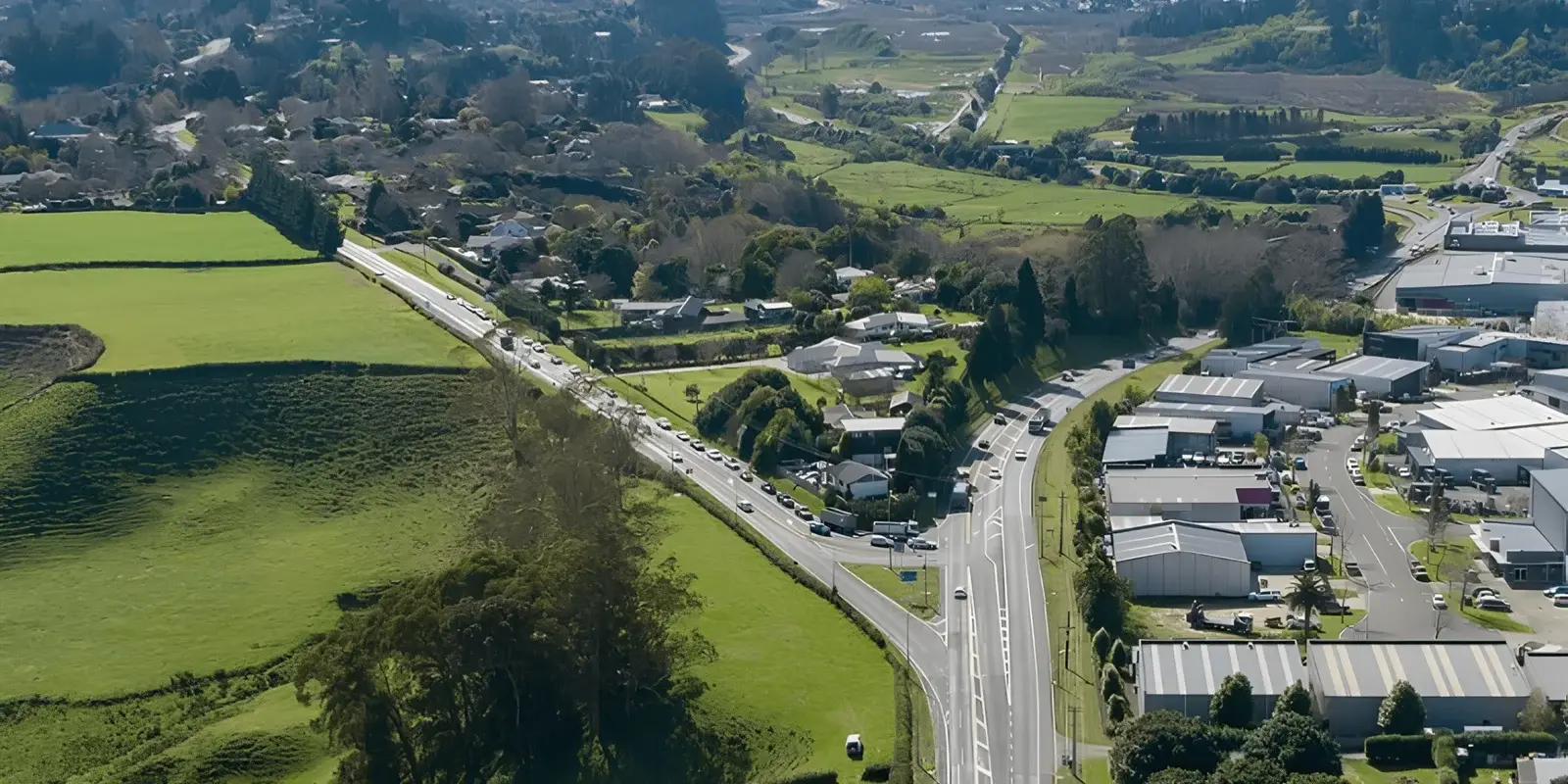
We spray the weeds that are there and feed the lawn so the next lot has nowhere to start. The difference here is the soil: Bethlehem sits on ground that locks up a large share of any single heavy feed, so we split the same quantity across the year instead of dumping it in one hit. Done on the ridge streets and on the flats by the Wairoa alike.
From $85per treatment
Quoted before anything is applied. No surprises on the invoice.
- 4–6 visits across the year
- Lawn-safe selective products
- Runs alongside your mowing
- No lock-in, cancel any time
Lawn feeding quote
Tell us the address and what the lawn is doing wrong.
Product matched to your grass
Police-vetted crews
Told when to stay off
No lock-in
Three things that decide a Bethlehem feeding programme
Between them they explain why most weed control money in Bethlehem gets wasted, and what we do differently with yours.
Fertiliser on a growing lawn gets taken up and used. The same bag on a dormant or heat-stressed lawn mostly sits on top of it. That is why your visits move with the season, and why summer applications go on light — a stressed lawn scorches, and we would rather under-feed in January than hand you a burnt one.
Bethlehem’s ground binds phosphate hard enough that most of a single big feed never reaches a root. Grass needs that nutrient for density, which is exactly what you are hiring us to build. It is the one fact that decides how your programme is shaped, and section 02 shows the council’s own number for it.
4–6×Lighter applications across the year
83%Topsoil phosphate retention measured on this soil
KatikatisoilsThe allophanic ground under Bethlehem
$85fromWhere a treatment starts
Why this soil changes how we feed a lawn
One measured fact about this suburb’s soil, and the reason our programme is shaped the way it is.
Bethlehem sits on Katikati soils: free-draining volcanic-ash loam that holds moisture well and holds phosphate even better. Bay of Plenty Regional Council’s own soils report puts topsoil phosphate retention here at 83 per cent and spells out the consequence — high retention means a lawn gives a lower response to the same amount of fertiliser.
Which is the whole reason a single heavy feed underwhelms on this side of Tauranga. Part of it greens the lawn for a fortnight. A large share of the phosphate in it binds to the soil before a root ever reaches it, and you have paid for both halves.
So we split the same annual quantity into four to six lighter applications instead. More chances for the roots to take phosphate up before it locks away, a blend chosen for this soil rather than whatever is on the pallet, and no single application big enough to scorch a lawn in summer.
Same product. Same spend across the year. The only thing we are changing is how it is divided up — and on this ground that is worth more than buying a bigger bag.
Nothing here costs you more than a one-off feed would. We are not selling you more fertiliser, we are selling you the version of it this soil will actually let your lawn use.
What a weed control and feeding visit involves
Five steps, always in this order. Nobody has to be home while it happens.
- Look at it firstWhat weeds, how thin, how the soil feels underfoot. The product follows the lawn rather than a schedule.
- Treat the weedsA selective that is safe on your grass type, spot-sprayed or taken across the whole lawn depending on how far it has got.
- FeedMatched to the season and spread evenly at a measured rate — not eyeballed, which is how you get burnt stripes.
- Water it inWhere there’s no irrigation we water it in, so nothing sits on the leaf and scorches.
- Tell you the waitHow long to keep kids and dogs off, sent through with a photo when we’re done.

VisitMeasured rate
PhotoSent after
The supermarket weed-and-feed aisle is where most of this goes wrong. The grasses that cope with a Tauranga summer do not tolerate every selective weedkiller sold here, and the pack is not going to tell you which side of that line it falls on. If you are not certain which grass you have, that uncertainty is the argument for letting someone else carry the chemistry risk — and ours is applied at a measured rate rather than eyeballed from a hose bottle.
What Bethlehem’s ground does to an application
Same chemistry everywhere in Bethlehem. What differs is how much of a feed stays put.
The soil is the same across Bethlehem, so the chemistry does not change from street to street. What changes is how much of an application stays where we put it. A freshly graded ridge lawn on the Heights or the Views sheds water, and nutrient with it; a settled lawn down by the Wairoa holds both long enough to use them. Same programme, timed differently, and we set that off your address.
Freshly graded, exposed to runoff
- Smaller, more frequent applications, so less of each one leaves down the slope before the roots get it
- Timed off the forecast rather than the diary, because feeding a ridge lawn ahead of heavy rain wastes your money
- A pale first-year lawn gets told the truth: on this ground that is usually phosphate lockup, not neglect
- Dry patches on an exposed section get flagged to you before they turn into bare ones
Flatter, settled ground
- A standard interval works here, because what goes down stays long enough to be taken up
- Shaded, damp corners under the older streets’ tree cover get watched for moss rather than fed harder
- Established roots respond to feed properly, so results show up inside a cycle or two
- Same phosphate retention underneath, so the split programme still earns its keep — only the runoff risk drops
Tell us whether you are on a slope and the timing changes to suit it. Not sure? Your street answers that for us. A ridge lawn fed on the wrong week loses a good part of the application to runoff, which is the usual reason a new lawn up there will not green up no matter how much goes on it.
What weed control and fertilisation costs in Bethlehem
From $85 a treatment, fixed before anything is applied. Products and labour are in it.
-
From $85
Single treatment
Weeds sprayed and the lawn fed, one visit
-
Quoted per visit
Full-year programme
Four to six lighter visits, priced as one plan up front
-
Quoted per visit
Larger or ridge-top section
More lawn to cover and more runoff to work around
-
Quoted per visit
Added to an existing mowing round
Same crew on site, one invoice instead of two
What moves it
Mown areaHow much of the section is actually lawn
Weed loadHow far it’s gone before we start
Visits neededFour where the lawn is sound, six where it is struggling
SlopeRunoff risk changes how an application is timed
We will talk you out of this job when it is the wrong one. A lawn that is thin because it is compacted or matted with thatch does not need feeding, it needs the mat pulled out first — feed on top of thatch mostly sits there. In that case you get told to book lawn dethatching and come back to us afterwards, when the money will actually do something.
The Bethlehem feeding year
Longer than most of the country, because growth here never really shuts down.
JanFebMarAprMayJun
JulAugSepOctNovDec
Main feedsLight onlyRest
Autumn and spring do the heavy lifting, and your plan is built around that. Summer visits stay deliberately light, winter is mostly a rest, and the late-winter application is the one that gets the lawn moving before everyone else starts thinking about theirs. You do not have to track any of it — the visits arrive on the right weeks.
We will tell you what the regional council measured in your soil, show you why a single heavy feed underperforms on it, and then quote the smaller, more frequent version. If your lawn needs dethatching before any of that, you will hear that instead of a programme price.
What Bethlehem owners ask about weed control
What Bethlehem owners ring up and ask before they commit to a year of visits.
01How much is lawn weed control and fertilisation in Bethlehem?
Treatments start at $85 and the figure is agreed before anything is applied. A full-year programme is quoted as one plan up front so you know the whole year rather than finding out a visit at a time. Mown area, how far the weeds have got and how many visits the lawn needs are what move it.
02Why does my lawn stay pale even though I feed it?
Because on this ground a big share of what you put down gets locked into the soil before a root can use it, and the council has measured exactly how much. Buying more fertiliser does not beat that; dividing the same bag into smaller, better-timed feeds does. That is the difference between a lawn that greens for a fortnight and one that thickens.
03Can I not just buy weed-and-feed from the hardware store?
You can, and plenty of Bethlehem lawns have been set back doing it. Warm-season lawns are fussy about selective weedkillers, a fair share of what sits on that shelf was formulated for a different kind of grass entirely, and you will not find that admitted anywhere near the price sticker. Read the label properly, or hand the chemistry to someone who already knows what is on your section.
04Will feeding actually get rid of the weeds?
Across a season, largely yes, which surprises people who expected spraying to be the whole answer. Weed seed needs bare soil and light to start, and a lawn thick enough to deny it both does more work than any spray does on its own. We do both: spray what is there, then build the density that stops the replacement.
05How many visits does a Bethlehem lawn need?
Four where the lawn is basically sound, up to six where it is struggling or weed-heavy. That is more visits than an inland lawn on neutral soil would get, and each one is lighter. The total quantity is not bigger, it is just divided up.
06How long do we stay off the lawn afterwards?
It depends on the product, so we tell you the wait before we leave rather than leaving you guessing, and it goes through in writing with the after photo. Kids and dogs are the reason we bother saying it out loud.
07Does it matter that our section is on a slope?
More than most people expect. A ridge lawn sheds a share of any application as surface runoff before the roots take it up, so yours gets smaller, better-timed feeds rather than the same plan as a flat section by the river. Feeding a slope ahead of heavy rain is money down the hill.
08Is the soil here really different to the coast?
Yes, and for this service the difference is the whole story. Bethlehem is on allophanic volcanic-ash loam; the coast behind the Mount is dune sand. Sand lets nutrient straight through, this ground grips the phosphate and will not hand it over. Opposite problems, opposite programmes.
09Our lawn is thin and spongy. Should we feed it?
Not yet, and we will say so rather than take the booking. Springy underfoot means a mat of dead material sits between the grass and the soil, and feed applied over that mostly stays there. Get lawn dethatching done first and the feeding afterwards is worth every dollar.
10Can this run alongside our mowing?
That is how most of our Bethlehem customers have it. The same crew is already on the property, the timing lines up with the growth they can see week to week, and it arrives as one invoice instead of two. Lawn mowing and edging and a feeding programme work better together than either does alone.
11What about moss in the shaded corners?
Common under the mature trees on the older streets, and it is a light and drainage problem before it is a nutrition one. Feeding those corners harder does not fix them. We will tell you what is actually causing it and what can realistically be done.
12Do I need to be home for a treatment?
No. We need access to the lawn, and we need to know if a gate has to be shut behind us for a dog. Everything else, including the re-entry advice, comes through afterwards.
13Am I locked into the full programme?
No minimum term and nothing to cancel. The year gets quoted as a plan so you can see it whole, and you can stop after any visit. Programmes continue because the lawn is visibly better, not because leaving is difficult.
14Which parts of Bethlehem do you treat?
Ridge and flat, all of it. The newer subdivisions on top, everything either side of the shops, and the long-established sections down on the river ground. Addresses right on the boundary are worth sending through so we can check them against the round.
Other Lawnify services in Bethlehem
The jobs that pair naturally with a feeding programme. Lawn mowing and edging is what keeps the density you are paying us to build, and our regional page covers the towns past this one.
04
Lawn DethatchingOnce a year, autumn — more on the vigorous ridge-top new lawns.
05
New Lawn InstallReady lawn or seed — and we’ll say if your section just needs time.
06
Garden MaintenanceBeds kept ahead of the season, and the green waste leaves with the crew.
07
Tree & Hedge TrimmingSpecies checked first, especially on established tree-lined streets.
08
Stump GrindingCompact grinders for sections a full-size machine can’t reach.
09
Shrubs & Rubbish RemovalRoots out properly, waste sorted into the right stream.
00
All Bethlehem servicesEvery service we run here, and what this ground does to each of them.
Weed Control & Fertilisation in other areas
