
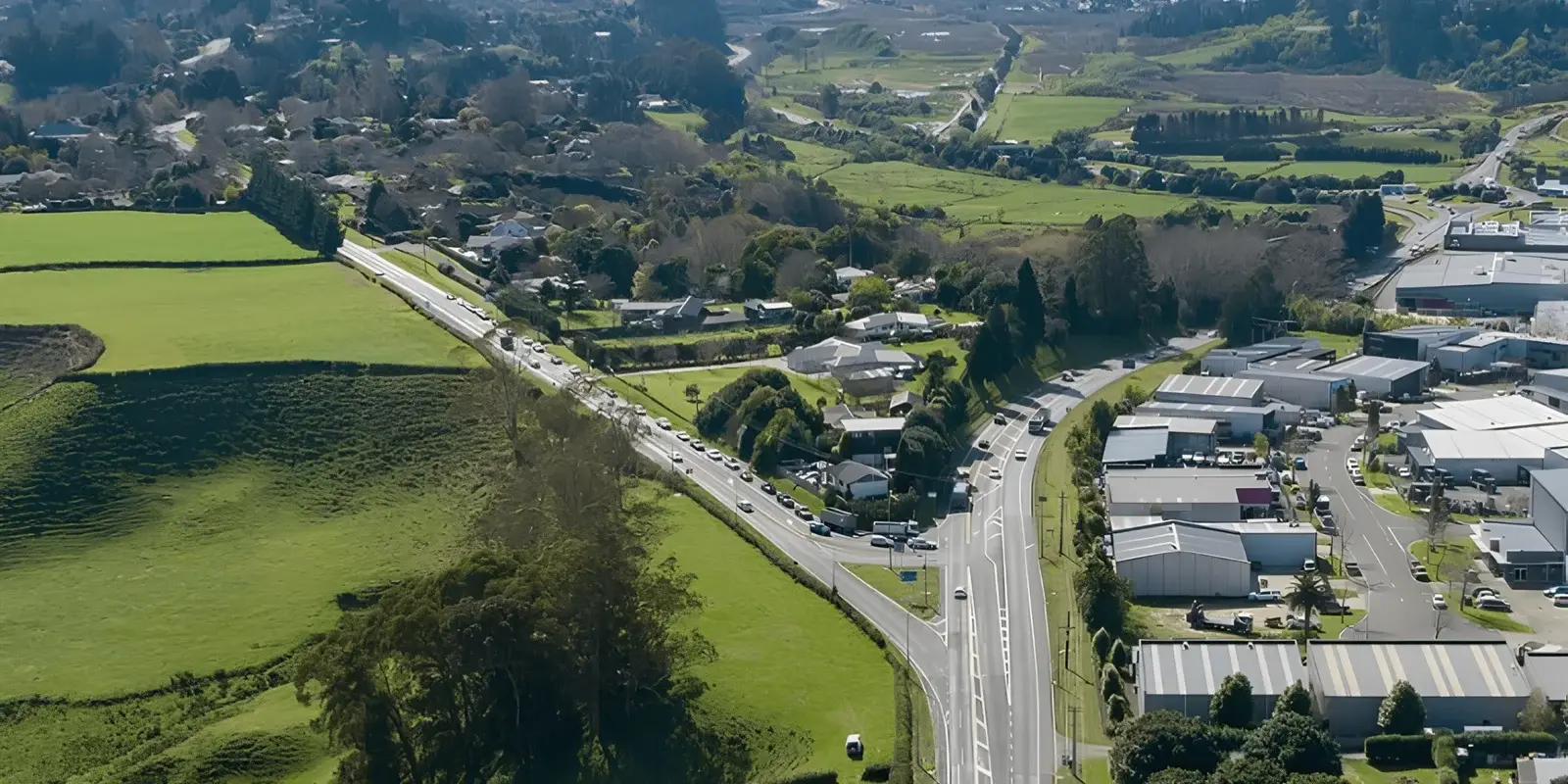
That is the depth where bark genuinely blocks light off the seed bank and holds moisture in the bed. A thin decorative layer suppresses nothing, and weeds are back through it before the bag is in the bin. We quote to that depth and we spread to it, which is most of what you are paying for.
Mulching, Bark & Weed Mat
Bethlehem
Mulching, Bark & Weed Mat in Bethlehem
We weed the bed, re-cut the edge, then lay bark at a depth that actually blocks light instead of a scatter that looks tidy for a fortnight. Beds on the exposed ridge streets get the depth they need to survive a dry summer; shaded established beds get the stem clearance they need. Supplied, delivered and spread from $149.
From $149supplied, delivered & spread
Quoted on the bed area before we start. Nothing appears on the invoice later.
- 75–100mm depth, done properly
- Weed mat where it actually helps
- Beds weeded and edged first
- No lock-in, cancel any time
Mulching quote
Tell us the address and roughly how much bed area there is.
Police-vetted crews
Sharp tools, tidy finish every visit
Green waste included
Pause any time
Three things that decide whether mulching works
Get any one of them wrong and the bed looks right for a fortnight, then goes back to how it was.
Bark piled against a stem holds moisture on bark that is not built for it, which is the condition collar rot wants. Leaving a clear gap around every base takes a few seconds per plant and gets skipped constantly. Ours does not get skipped, and in an established Bethlehem garden that is the difference between mulch helping your planting and quietly killing it.
Under mulch it stops tough regrowth in a badly infested bed. Rolled out everywhere it restricts water and air getting down to roots, so it becomes a problem of its own. We price it only for the spots that need it, and we will name the beds rather than quoting the mat across the whole garden.
75–100mmThe depth that actually suppresses weeds
WeededfirstEvery bed cleared before bark goes down
Off thestemsA clear gap at every base, no exceptions
$149fromSupplied, delivered and spread
When mulching in Bethlehem starts paying for itself
A straight cost question, and worth answering honestly rather than with a made-up percentage.
An unmulched bed crusts over between waterings, even on ground that holds moisture as well as this does. A crusted, sunlit bed is exactly the surface weed seed is waiting for, which is why every garden visit on an unmulched bed starts with clearing whatever has come up since the last one. You are paying for that clearing, over and over.
Bark at full depth takes the light away from the seed bank and keeps the moisture in the soil rather than the air. The weeding on every visit afterwards gets shorter, and your planting stops competing with opportunists for water. On an exposed ridge bed that dries faster, the gap between a mulched bed and a bare one is wider still.
Which makes this the one job we sell that shrinks our own future invoices. We are not going to put a percentage on it, because we have not measured one and we are not going to invent one. What we will do is tell you honestly whether your beds are the kind where it pays off quickly, or the kind where it will not change much.
The more often someone is already being paid to weed your beds, the sooner doing this properly stops being a cost and starts being a saving.
Mulching is the job that makes every garden visit after it shorter. We would rather do it once at the right depth than bill you for the weeding it would have stopped.
What a mulching visit includes
The prep matters as much as the mulch itself.
- Weed the bed firstMulching over existing weeds just buries the problem — it doesn’t solve it. Every bed is cleared before anything goes down.
- Edge the bed lineA defined edge before mulching keeps the finished job looking sharp and holds the mulch in place, even on a sloped bed.
- Lay weed mat where it earns its placeOnly in genuinely problem spots — badly infested beds or areas with tough regrowth — not as a blanket default.
- Spread to depth75 to 100mm, kept clear of stems and trunks, worked evenly across the whole bed.
- Water inA water-in before we leave settles the bark down into the bed so it stays where it was spread.
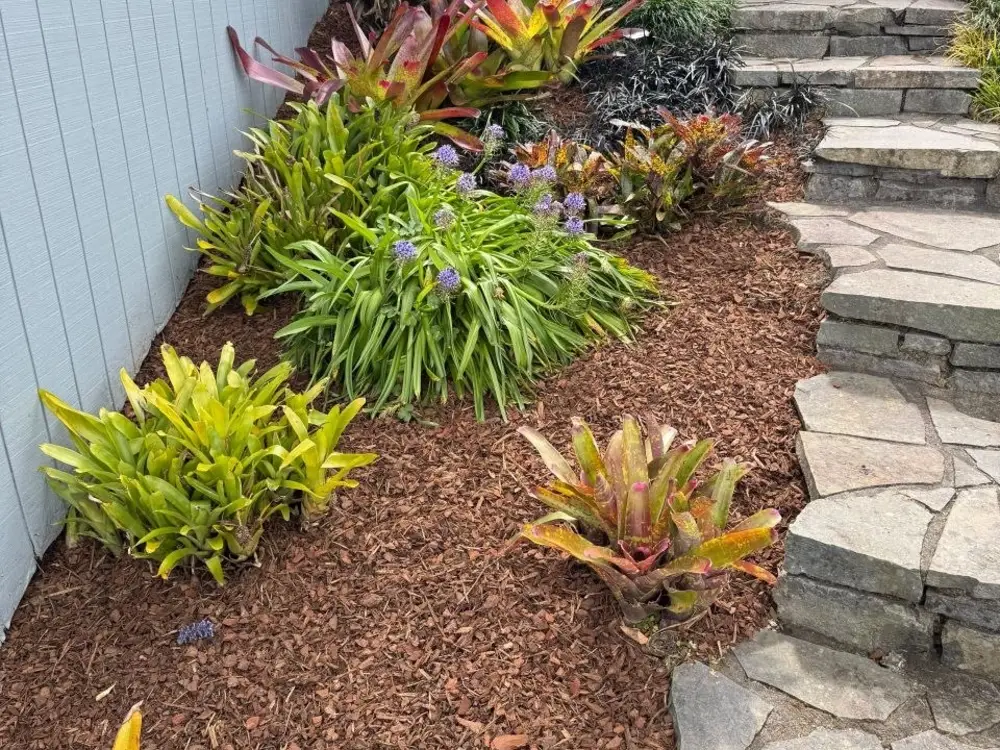
Visit75–100mm depth
PhotoSent after
Bark grade is your call, and the advice costs nothing. Grades suit different beds, so you get a recommendation for yours with the reasoning attached. Already know what you want? That is what we order in. There is no commission on the expensive stuff here.
Why mulching differs across Bethlehem
The same volcanic loam behaves differently depending on the slope and exposure it sits on.
The soil is the same right across Bethlehem. What is not the same is how fast a bed dries out. A bed cut into a ridge section on the Heights or the Views is exposed to sun and wind with no canopy over it yet, and mulch there is doing real moisture work. A settled bed down toward the Wairoa already has shade and established roots, and mulch there is mostly buying you back weeding time. Say which of the two yours is and both the depth and the weed-mat decision change with it.
Ridge-top and elevated beds
- Freshly worked soil on a slope can dry out fast in full sun and wind before planting has any canopy of its own to shade it
- Mulch here is doing real moisture-retention work, and runoff means depth matters more than usual
- Thin layers disappear into a bare, exposed ridge-top bed faster than a sheltered one
- Weed mat is worth considering on a genuinely weedy new-build patch before planting goes in
River-flat and established beds
- Established planting already shades and holds moisture in the soil to some extent
- Mulch here is mostly earning its keep on weed suppression rather than moisture, since flatter ground drains more slowly
- Shaded, damp corners under established trees need mulch kept clear of stems to avoid rot risk
- Faster overall growth in an older, settled garden means beds need weeding checked more often regardless
Not sure which of the two you have? The street name usually tells us. An exposed bed gets depth at the top of the range; a shaded established bed gets the careful stem clearance instead. Either way you hear the recommendation before you are asked to commit to anything.
What mulching and bark costs in Bethlehem
From $149 supplied, delivered and spread. The cleared weeds leave with us and nothing is added afterwards.
-
From $149
Courtyard or single bed
Weeded, edged and mulched to full depth
-
Quoted per job
Beds front and back
A typical suburban garden, full depth right through
-
Quoted per job
Larger or multiple bed areas
More area, more bark volume to supply and spread
-
Quoted per job
Weed mat, problem beds only
Priced in only where we would genuinely use it
What moves it
Bed areaThe main driver of bark volume needed
Weed loadHow much clearing happens before any bark goes down
Bark gradeFiner grades cost more than coarser ones
Weed matOnly priced where it’s actually recommended
Only the starting figure is a fixed number, and there is a reason for that. Bark volume follows bed area and depth, and two Bethlehem gardens on the same size section can be double each other once you measure the beds, so a table pitched on property size would misprice half the street. We measure, we give you one figure in writing, and that figure holds. On most beds a proper application lasts six to twelve months before a top-up, longer on a sheltered bed than an exposed ridge one.
The Bethlehem mulching year
Timing decides how much benefit you actually get from the job.
JanFebMarAprMayJun
JulAugSepOctNovDec
Ideal — Sep–Dec, before summer dryOptional top-up — Jan–MayLittle benefit — Jun–Aug
Book it before the summer dry stretch and you get the most out of it. The same job mid-winter, with growth and evaporation both slow, does far less for the money — so if you ring us in July we will usually tell you to wait for spring rather than take the booking early.
Ring us in the middle of winter and the answer is usually to wait for spring, because bark laid in July sits there earning you almost nothing. We would rather lose the booking by three months than take money for a job timed to suit our diary instead of your garden.
What Bethlehem owners ask about mulching
What Bethlehem owners ask before they commit to having the beds done.
01How much does mulching cost in Bethlehem?
From $149 with the bark supplied, delivered and spread, and the figure is fixed before we start. Bed area and the depth needed are what move it, along with how much weeding has to happen first. Send a photo of the beds and you get one number back rather than a range.
02How deep do you actually spread it?
75 to 100mm, right across the bed. Below that, enough light still gets through for the seed bank to keep germinating and the bark holds almost no moisture, so a thin decorative layer is money spent on appearance. We quote to the full depth, which is why a cheaper job often is not.
03Do you weed the bed before mulching it?
Always, and it is not an optional extra. Bark laid over live weeds buries the problem rather than solving it, and the toughest of them push straight back through. Every bed is cleared and the edge re-cut before anything goes down.
04Does mulch stop all the weeds?
Most of them, not all. Taking the light away stops the seed bank germinating, but the tough spreading weeds already established in a bed will still find their way up and want the occasional pull. It shortens the work on every visit rather than ending it.
05Is weed mat always used?
No, and we will talk you out of it where it is not needed. Under mulch in a badly infested bed it earns its place. Rolled out under a whole garden it chokes off the water and air the roots need, so it is priced only for the beds where it solves more than it causes.
06How often does it need topping up?
Six to twelve months on most beds, and exposure decides where in that range you land. A sheltered established bed holds its depth longer than a bare ridge-top one. If you are already on a garden round we will flag it when it is getting thin rather than waiting for you to notice.
07What bark grades can we choose from?
Coarse through to fine. You will hear which one we would use on your beds and the reason for it, and your own preference wins if you have one. Nobody here gets anything out of talking you into the expensive grade.
08When is the best time to book it?
Spring through early summer, before the dry stretch, because that is when the moisture retention earns its keep. A top-up over late summer and autumn is still worthwhile. Mid-winter does least for you, and we would rather say so than take the booking.
09Our beds are on a slope. Does mulch stay put?
It does if the bed line is cut properly first, which is why edging is part of the job rather than a finishing touch. A defined edge holds bark in the bed on a ridge section instead of letting it wash onto the path in the first heavy rain.
10Will it be kept off the plants themselves?
Yes. Every base gets left clear, because bark pushed up against a stem holds damp on wood that was never built for it, and that is what rot needs to start. It takes seconds per plant and it is the first thing to get skipped on a DIY job.
11Does mulch attract pests?
Fresh bark can bring fungus gnats and similar for a week or two while it settles, which does the garden no harm. The real risk is mulch piled against stems, which is why we keep it clear of the base.
12Can it happen on the same visit as a garden tidy?
Most people book it that way. The bed is being weeded and edged anyway as part of the mulching prep, so pairing it with garden maintenance means that work is not paid for twice.
13Is the moisture benefit real or just a sales line?
Real, and most obvious on a new or exposed bed. Ground here holds moisture reasonably once it is wet, but a bare worked bed on a ridge crusts over between waterings far faster than a shaded one. A bark layer slowing that down matters most to planting that is still establishing.
14Which parts of Bethlehem do you cover?
Every part of it: up on the newer ridge streets, right through the middle, and across the older gardens on the low ground. Right on the boundary and not sure? Send the address and we will look at where the round already goes.
Other Lawnify services in Bethlehem
What tends to get booked alongside a fresh mulch. Garden maintenance is what keeps the beds you just paid to clear, and the regional mulching page sets out how this runs in the other towns.
11
Rental & Section Clean-UpsDated before and after photos, itemised invoice.
12
Commercial Grounds MaintenanceScheduled visits, single point of contact, H&S done properly.
01
Lawn Mowing & EdgingWeekly to monthly, edges cut every visit.
02
Ride-On MowingFor the bigger sections, honest about which ones need it.
03
Weed Control & FertilisationCalibrated for volcanic-ash loam that fixes phosphate easily.
04
Lawn DethatchingOnce a year, autumn — more on the vigorous ridge-top new lawns.
00
All Bethlehem servicesEvery service we run here, and what this ground does to each of them.
Mulching, Bark & Weed Mat in other areas
